Forestry Friday … From The Woods

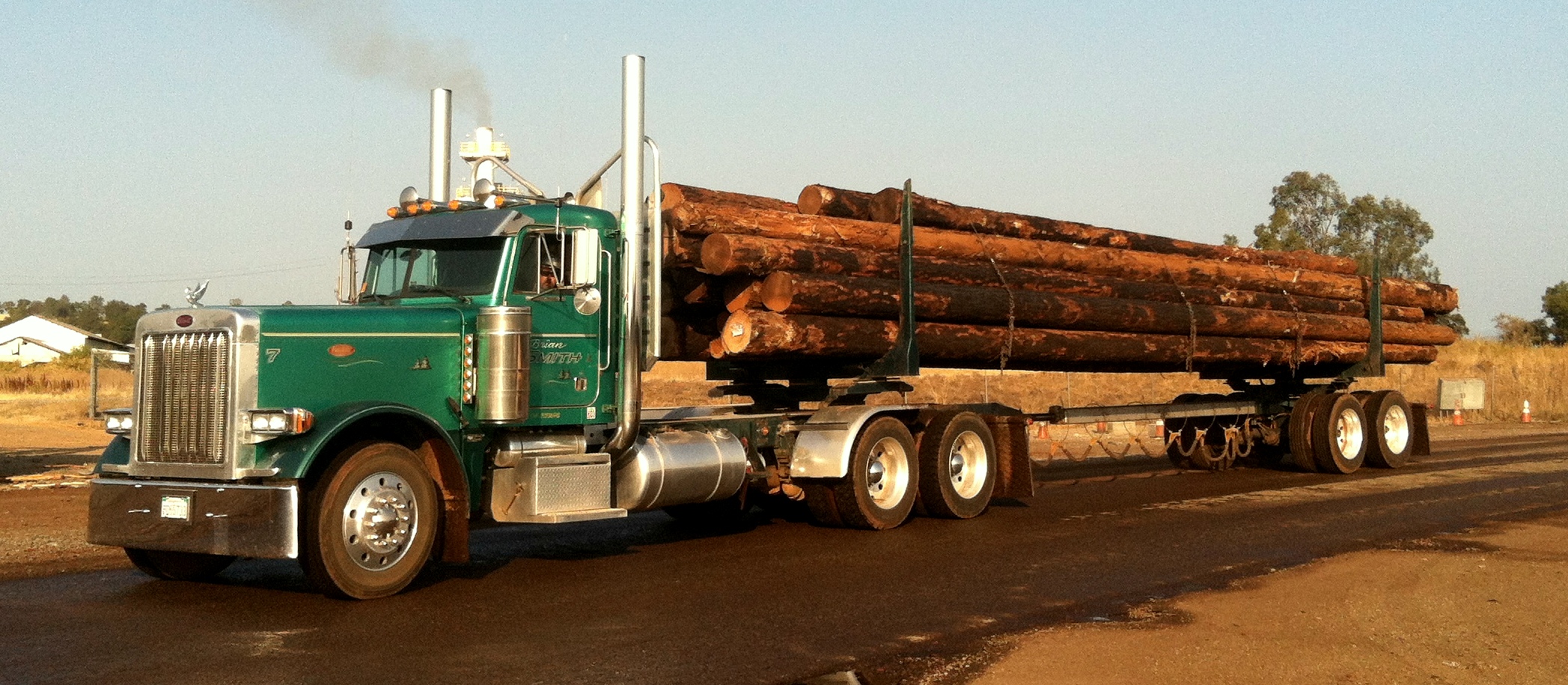
Today I’m coming to you from the Trinitys. I happen to have a cell signal so I’m making this post with my iPhone. Many of you may know that we are in a severe drought here in California. You can see by the dust coming off this logging operation how dry things are. Our logging crews are suffering with the dry conditions and the dust. Full fire precautions are in effect. Fire season has been pretty brutal this summer. We’re crossing fingers and hoping for the best for the rest of the logging season.

photo (4)
Dust is flying, hazy smoke is in the air and Trinity Lake, in the background behind the lower left trees, is down to about 30% capacity. It’s dry dry dry out there.

Forestry Friday … Fire From The Sky!

In this year of drought, our forests are a tinder box waiting for a spark. That spark came from the sky on the last day of July. It reached 108 F in the valley. A major lightning storm rolled across the North State and left numerous forest fires in its wake.

wildfire, Forest fire

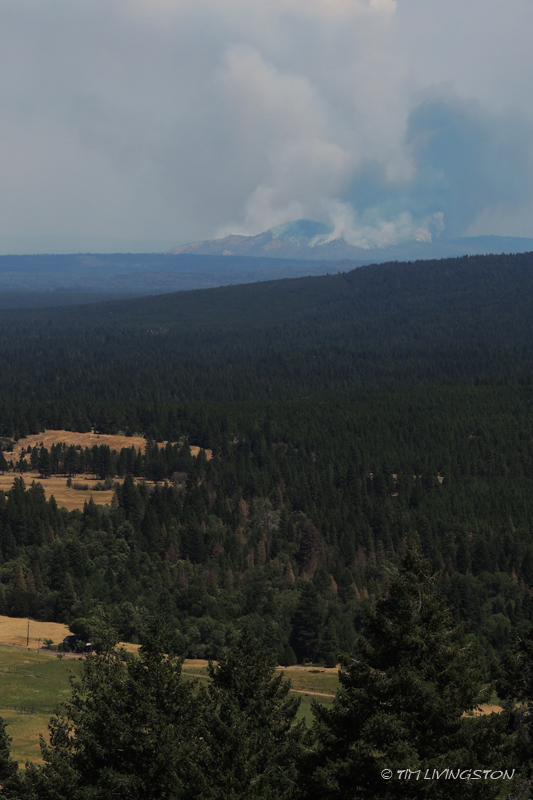
Looking east toward Burney. On the right is smoke from the Day Fire and on the right is the Bald Mountain Fire.

Bald Mountain Fire

Bald Mountain.

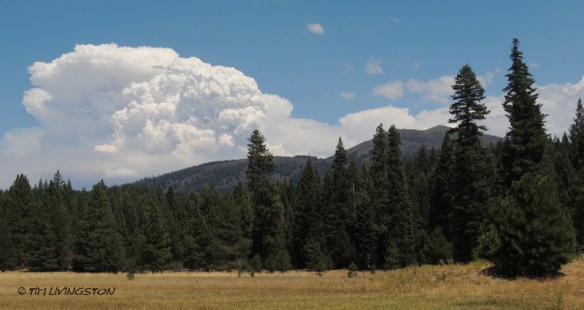
A huge thundercloud forms about The Bald Mountain Fire.

A huge thundercloud forms above the Bald Mountain Fire. Burney Mountain on the right, has a fire lookout on its peak.

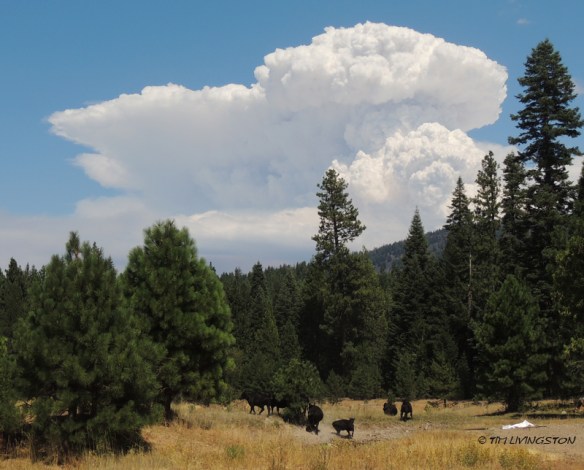
The cloud above the fire continued to grow all day.

The cloud above the fire continued to grow all day as the fire exploded in size. These clouds create erratic winds that cause the fire to spot.

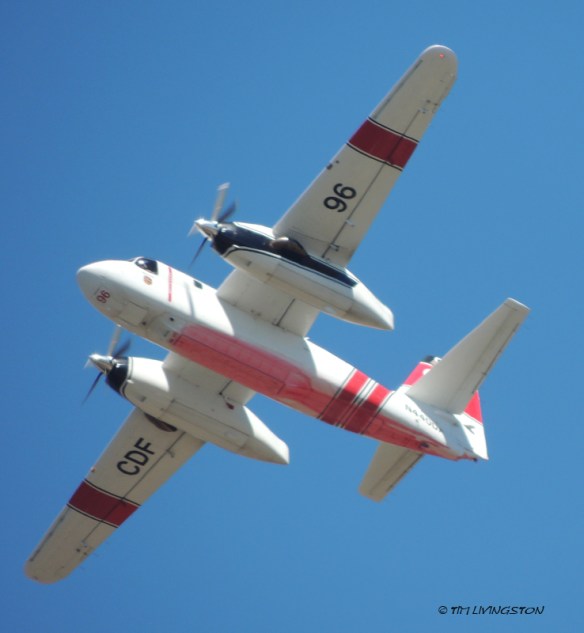
The air tankers bombed the fire throughout the daylight hours.

The air tankers bombed the fires throughout the daylight hours. This S2 is on its way to the Coffee Fire.

To the west another group of fires was burning.

More fires were burning to the west. This column was from the Coffee Creek Fire.

Eiler Fire

A new fire called the Eiler Fire took off on the second day. It’s was close to the Bald Mountain Fire. The two fires were threatening the town of Burney. From the valley in Anderson, we could see at least six major smoke columns in all directions.

The beginning of the week brought us a rare and very wet cold front. The rain helped the firefighter get a handle on many of the fires.

The beginning of the week brought us a rare and very wet cold front. The rain helped the firefighters get a handle on many of the fires. The same storm created flash floods and mud slides in Southern California.

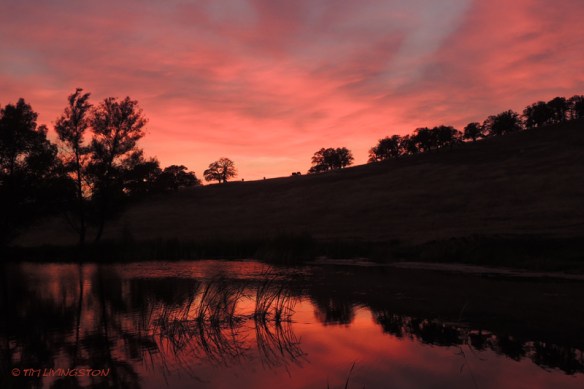
Wildfire Sunsets are a silver lining.

Wildfire sunsets are a silver lining.

Most of the east side fires are under control now, but several fires in the Klamath Mountains are still burning. We still have a long way to go to reach the end of fire season.

Forestry Friday … Big Stumps Talkin’

redwood

A managed redwood forest.

Last week, I was in the redwood country of our coastal mountains. However, I wasn’t down in the parks with the gigantic and ancient trees. As you might imagine, I was in young, working redwood forests.

foxglove, wildflowers

Wild Foxglove

It’s beautiful country and full of surprises. One of the surprises you’ll find in these forests are the old stumps of the ancient forest giants that were logged over a hundred years ago.

stump, redwood, spring board

A giant redwood stump.

These old stumps tell a story of the past. The stump pictured above looks like it has two eyes. The “eye” on the left is a spring-board hole. Way back when, the timber fallers would cut a notch in the tree up above the butt swell. They then wedged a board into the notch. They stood on the board, called a spring-board, to cut the tree down. Two man teams with double bit axes and cross-cut saws fell these trees. The spring boards elevated the fallers up the tree where it wasn’t as thick, making it easier to cut. That’s why these stumps are so tall.

Many of these stumps are charred on the outside. The fires that caused this may have been intentional. It was a common practice of the time, to burn the logging site after the trees were felled. They did this to eliminate slash. After the big trees were cut the slash was so deep it was difficult for a man to get through it. The fire solved this problem and left burned stumps behind.

This redwood stump is fifteen feet across.

This redwood stump is fifteen feet across.

spring board

A spring board hole cut into the stump.

Looking west from the Coast Range toward Humboldt Bay and the Pacific.

Looking west from the Coast Range toward Humboldt Bay and the Pacific.

I did a watercolor of a logger bucking a log with a cross-cut saw, which is showing in my post Misery Whip – The Final. Timber fallers on spring-board would be a good subject for an illustration. I might have to work on that.  Happy Friday.


Forestry Friday … Too Many Trees!

forests, forestry, forester artist, biomass, harvesting

After years of fire suppression efforts, our forest have become very dense.

One of the biggest problems in the western forests of the United States is that we have too many trees. It used to be, frequent fires kept the undergrowth clear without killing the older mature trees. Fuel loads weren’t allowed to get too high. With less fuel built up in the forests, fires burned at low intensity.

Much of our forestland is choked with thickets of trees. Timber stands have grown dense from a century of full fire suppression. These thickets are susceptible to insect attack and drought stress mortality. Fuel loads in the forest are huge. The fires of today burn at such high intensity that it is difficult for firefighters to fight them safely. We are now having larger and more destructive fires, such as the Rim Fire that burned into Yosemite National Park.

Thinning so many small trees was slow and expensive, but with today’s modern logging technology we now have the ability to thin these timber stands efficiently.

forests, forestry, forester artist, biomass, harvesting

Thickets like this provide ladder fuels that cause crown fires.

First, the sawlogs are harvested for lumber. Next, the biomass is harvested and put into doodles.  Biomass are the trees or tops of trees that are too small for products like lumber, poles or veneer. Doodles are harvested bundles of small trees.

forests, forestry, forester artist, biomass, harvesting

Doodles

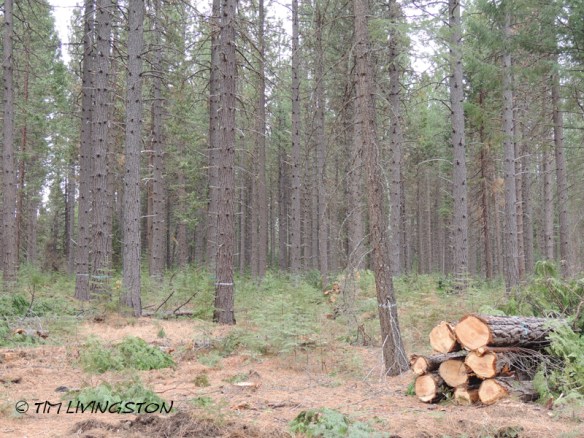
The trees marked in white are the “save” trees that won’t be harvested.

forests, forestry, forester artist, biomass, harvesting

Thinning out the excess trees.

forests, forestry, forester artist, biomass, harvesting

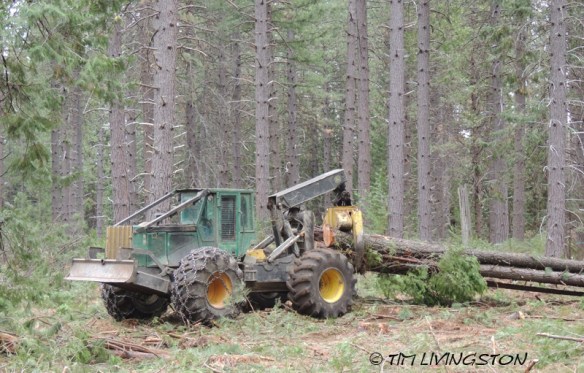
Skidding logs.

Sawlogs being skidded into the landing.

forests, forestry, forester artist, biomass, harvesting

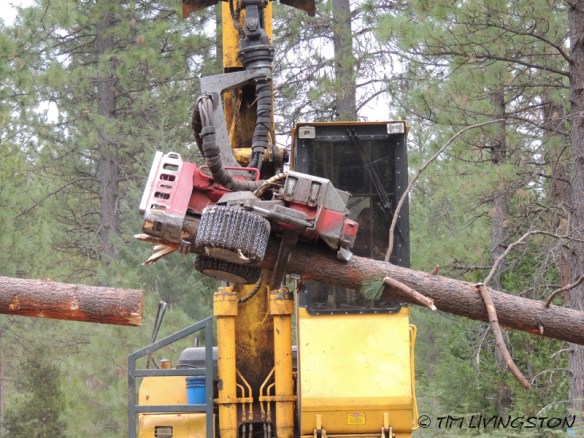
Log processor

The log processor manufactures the trees into logs.

forests, forestry, forester artist, biomass, harvesting

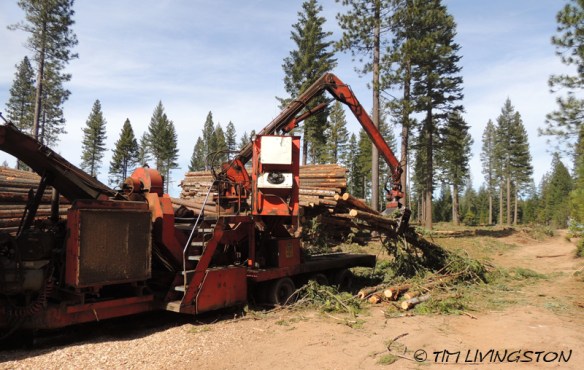
Chipper

The small trees are chipped into a van to be hauled to the co-generation plant and turned into electricity.

forests, forestry, forester artist, biomass, harvesting

Thinned stand

Thinning these timber stands leaves them more resistant to fire and insect attack. A healthy fire is the goal.

forests, forestry, forester artist, biomass, harvesting

Blitz, the canine wood chipper, says, “I’ll chip this doodle myself.”

Forestry Friday … The Ride Along

Forestry, mentoring, education

The truck is fueled and ready. Do you want to go for a ride along?

Ralph was a state forester. He’s retired now, but he’s been a friend throughout my career. He gave me my first ride along.

When I met Ralph, I was a firefighter in the summer and attending community college.  I declared my Forestry Major and was preparing to transfer to Humboldt State University. I had not taken any forestry classes yet. That would start the next year. I didn’t have much forestry work experience. I knew Ralph from my job at the fire station. I asked if I could ride along with him for a day. He gladly took me up on it. I learned a lot from Ralph.

Forestry, mentoring, education

Jaime spent the day exploring a little West Coast forestry.

The other day I took a young woman, named Jaime, for a ride along. She’s contemplating her next career move. She is a cousin of a close friend.

The night before, Mary and I visited with our friends, Jaime, and her father. We had a wonderful conversation.  Jaime recently completed her Bachelor degree at Warren Wilson College in North Carolina. Now she was considering going for an environmental law degree. Mary and I were both thinking, She needs to go for a ride along. When offered, she leaped at the chance.

The next day we started out with an introduction to our company’s head research scientist, CJ. These two women hit it off famously. After an insightful conversation about environmental science, careers and education, we headed out to the mill.

We toured the mill complex where Jaime started out watching the pole plant processing logs. Next, we went through the sawmill. She asked a ton of questions about the process and took a few pictures to send to her friends back in North Carolina. After the mill tour it was back to the truck.

Forestry, mentoring, education

She saw some modern logging technology in this tree shear.

We headed out to look at the timberlands. Our conversation centered on forestry practices, land management and environmental issues.  We started near Shingletown, looking at forestry practices, and ended the day at the Ponderosa Burn, talking about fire restoration.

Forestry, mentoring, education

Valley Quail in the Ponderosa Burn.

Now, if I sound like the wise professional bestowing my vast knowledge from on high, let me correct that right now. This education process is a two way street. Our conversations weren’t all about forestry. I learned about all manner of issues important to her generation. We both had a fun and instructive day.
Forestry, mentoring, education

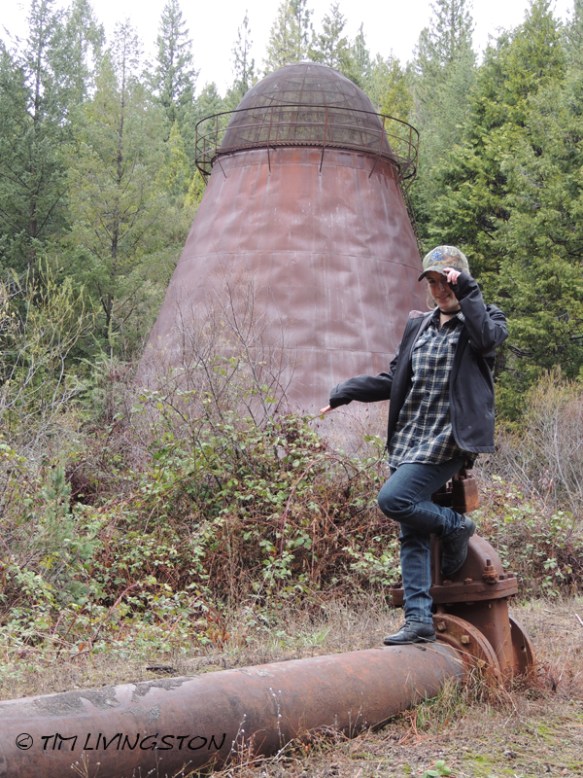
Channeling her inner Vanna White, Jaime shows off some old time milling technology in this teepee burner.

Making time for young people to go for a ride along or job shadow for a day is time well spent. A day job shadowing does something for them that a semester of school doesn’t do.  It gives them a big picture of the profession. As professionals we benefit from this time too. We’re never too old to learn and they too have a lot to share.

Forestry, mentoring, education

Jaime’s career is a like this little pine tree, just starting out.
Blitz, golden retriever

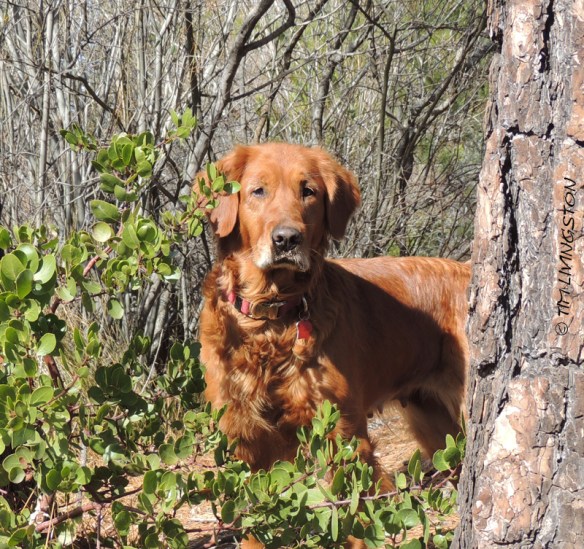
Blitz likes a good ride along, but don’t take her seat!

Forestry Friday … Masticator

What’s a masticator? Think of it as a big mobile wood chipper, or a mower on steroids. You may have seen these machines grinding up brush on the side of the road. They’re also used in forestry applications.

I came across a brush clearing operation on the neighbor’s property. Our neighbors happen to be a large government agency. They were shut down because a much needed rain storm made the woods too wet for operating. They were thinning a thirty plus year old Ponderosa pine plantation and removing competing brush with masticators. The thinned trees weren’t big enough to harvest for sawlogs. Masticating an area is expensive, but it makes the plantation more fire resistant and spaces out the residual trees for better growth.

Farther down the road, they used masticators to create a fuelbreak. This provides a break in heavy fuels giving firefighters a defensible line to make a stand against an oncoming wildfire. Shredded and crushed wood from the masticated brush is left on the ground. This woody debris still burns, but the flame lengths and rate of spread of a fire are reduced, thus making it manageable for a fire crew. It’s also a location that a fire crew can use for backfire operations. Over time, this material will decompose, further lessening the fire risk.

The current fuelbreak was originally cleared as a firebreak during the Finley Fire in 1990. A fuelbreak is a change from a heavy fuel type, such as brush, to a lighter fuel type like grass. A firebreak is the removal of all fuel down to bare dirt.  After the fire, we replanted our section of the same fireline in 1992. Our trees are now twenty-two years old. As these trees grow larger, they’ll be developed into a shaded fuelbreak. A shaded fuelbreak utilizes the shade of trees to suppress the growth of underbrush. This keeps fuels on the forest floor light. Pruning trees creates a break in the vertical fuel ladder reducing the chance that a ground fire becomes a crown fire.

The neighbors didn’t replant trees in the firebreak immediately after the fire. While our section of the fireline grew trees, their section grew brush. Our stand of trees is twenty years along the process of becoming a shaded fuelbreak. The neighbors must continue to retreat the brush to maintain their section of the fuelbreak.

Forestry is a process with a long planning horizon. I commend the neighbors for creating the fuelbreak. This treatment also benefits our property. However, by making the investment in planting trees early, we saved money on brush removal, while accelerating forest restoration at this site.

Click on the image for a larger view.

Forestry Friday … Getting High With Mountain Hemlock

mountain hemlock, tsuga mertensiana, hemlock, forestry, timber

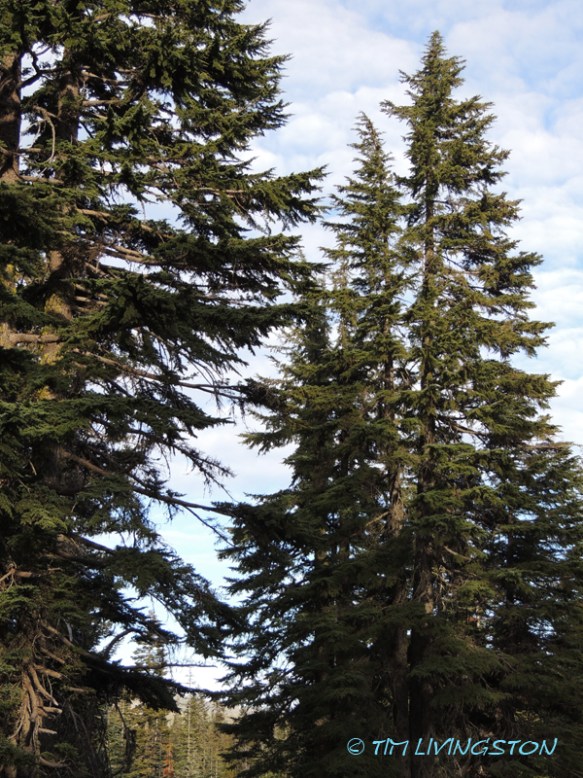
Take the high road to find mountain hemlock.

If you want to find mountain hemlock you have to get high, or should I say, go high.  The mountain hemlock is a high elevation tree of the Sierra and Cascades mountains.  You can find mountain hemlock growing at elevations from 6,000 feet to 11,000 feet in the Sierras of California.

mountain hemlock, tsuga mertensiana, hemlock, forestry, timber

Red fir, lodgepole pine and western white pine are common neighbors of mountain hemlock.

Mountain hemlock grows in a wide band along the Pacific coast.  Its range extends from the Sierra mountains of California in the South to Southern Alaska in the North.  In Alaska it grows in extensive stands down to sea level.   This is common with most trees that have a wide north to south range.  The farther north you go, the lower elevation you grow.

mountain hemlock, tsuga mertensiana, hemlock, forestry, timber, cones

The hemlock cones look a lot like spruce cones.

It is not commonly harvested in California, because it is not common in California’s managed timberlands.   As a result, I don’t run into it very often in my job.

mountain hemlock, tsuga mertensiana, hemlock, forestry, timber

A delicate looking tree living in a harsh place.

Tsuga mertensiana is the scientific name, but let’s really look at this wonderful tree.  Hemlocks have a different personality from the other western conifers and that’s what I enjoy about them.  They have a bit of a fairytale quality.

mountain hemlock, tsuga mertensiana, hemlock, forestry, timber

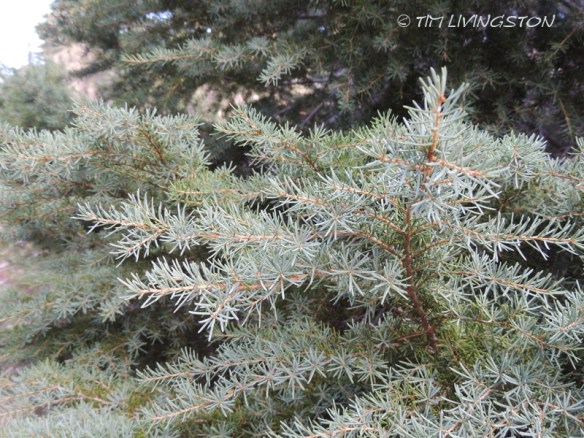
The blue green foliage has a soft appearance and feel.

From its delicate needles to the droopy tips the mountain hemlock has a poetic gestalt, or gesture as artists are so fond of saying.

mountain hemlock, tsuga mertensiana, hemlock, forestry, timber

The tree tops almost have a joyous look about them.

Douglas squirrel

The ubiquitous Douglas squirrel is a common resident up here.

Blitz is back on duty keeping the squirrels in line.  What would I do without her.

Blitz, golden retriever

Blitz giving her best regal pose.  Well done girl!

golden retriever

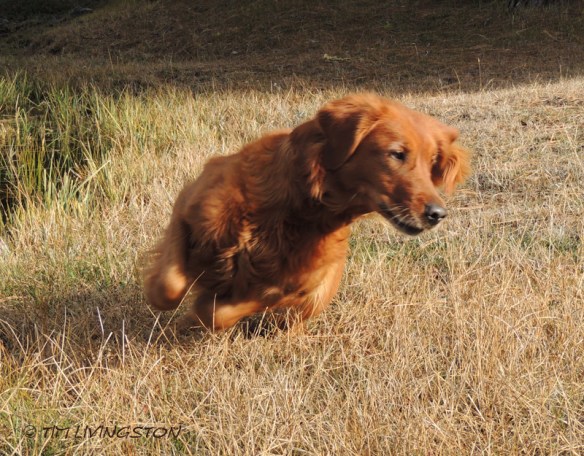
“Whoa squirrel, gotta go!”

nature photography

After a long day of practicing forestry and chasing squirrels it’s time to head for the barn.

Snow Day!

Every kid loves a snow day.  It gets them out of school work.  I go to work to get a snow day!

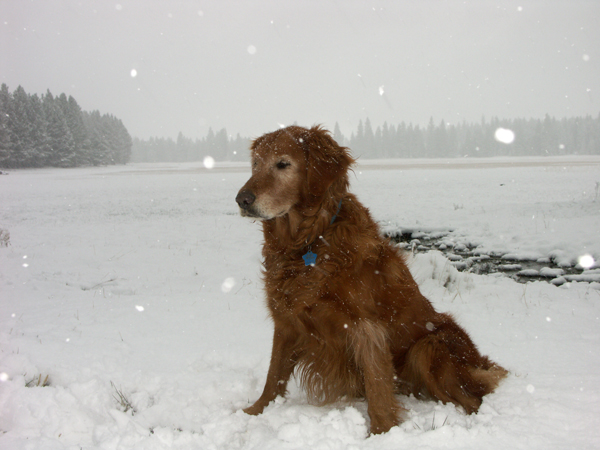
Even Nellie likes a snow day.

Nellie, golden retriever, golden, snow

What Golden doesn’t love the snow.

snow, snowing, shedding

Be careful were you stand.

logging, loader, delimber, landing, winter logging

Definitely a snow day for the loggers.

Out here a snow day doesn’t get you out of work.

logs, snow, snowy

Douglas-fir, sapling

New snowfall on a Douglas-fir sapling.

loading ramp, chute, cattle

There will be no cattle to load today.

Snow, Lodgepole pine

Snow in the pines.

wind turbines, snowing

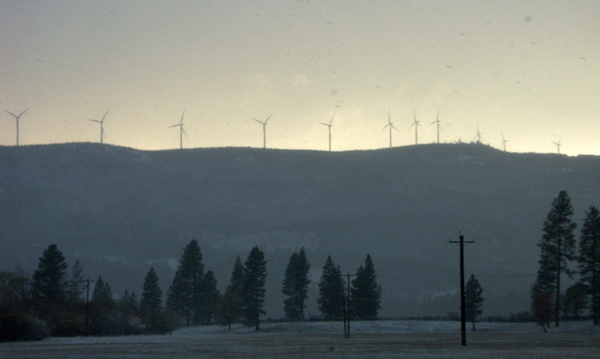
The big wind turbines don’t care if the snow is falling.

white fir, snowing

SNOW DAY!

Fire Salvage Begins

Burned timber being skidded into the landing.

The race is on.  Salvage operations on the Ponderosa Burn are now underway.  They race to harvest the fire killed timber and deliver it to the mills before it breaks down, and loses it’s value.  The small landowners managed their timberlands to provide additional income, maintain healthy timber stands, and create an attractive forest.  This fire has changed their management plans.  If they don’t recover the value of the timber they will have no money for reforestation.  The large timber companies will replant their lands as a part of normal operations. Replanting fire damaged timberlands in California is not required by law due to the massive cost it represents.  The timber companies replant after these fires because it is good stewardship and good business.

The landscape on the big canvas is being repainted as this latest transformation begins.  Fire was the first paint brush to change the canvas.  Men and their machines are the next one.

Salvage Poles

A load of fire salvage poles arrives at the mill.

Wildfire Returns to Northern California

The Ponderosa Fire from across the valley.

Fire is upon the North State once again.  It has been a few years since we have had fire like this.  Thousands of our neighbors have had to evacuate their homes.  The air is thick with smoke.  The firefighters, air attack, and equipment operators battle the fires to protect life and property.  Please keep the folks in the paths of these fire in you thoughts and prayers.

Image

From Firestorm In The Forest, a Redtail Publishing Book.

I opened my front door this morning to let the dog out, and the air is clouded with smoke and the smell or fire is strong.  The Ponderosa Fire is burning about 15 miles from where I am sitting.  As this drama unfolds the picture of the forest that I worked on for years is rapidly changing.  Thinned timberstands, young tree plantations and acres of mature forests that I help manage.  For people the fire is a tragedy, but to nature it isn’t good or bad only different.  Nature is violently changing the picture of this forest that I remember.  It will re-calibrate and fill the void created by the fire and a new picture is created.  In the meantime the foresters and loggers work side by side with firefighters to stop this fire.