A few images.
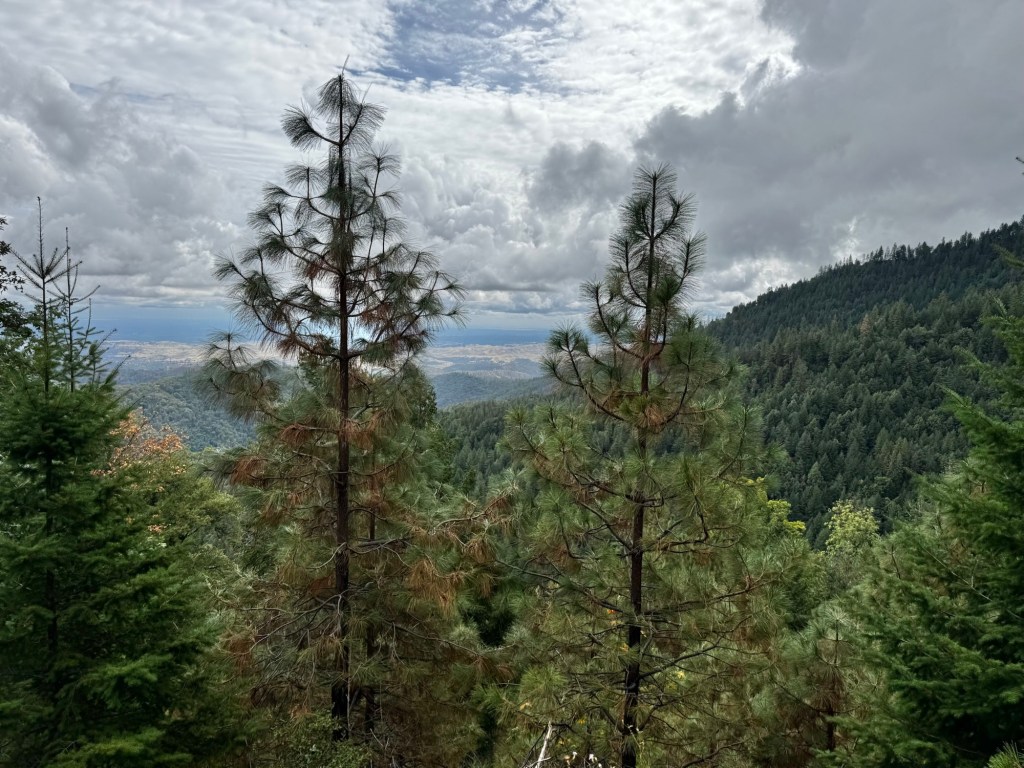
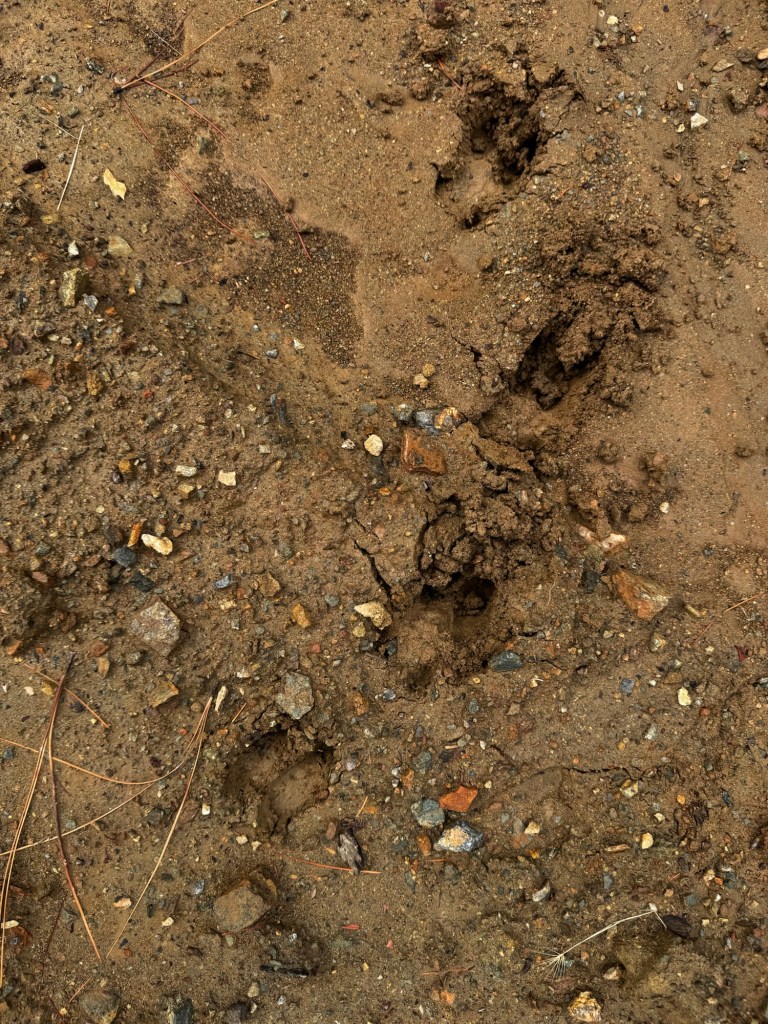

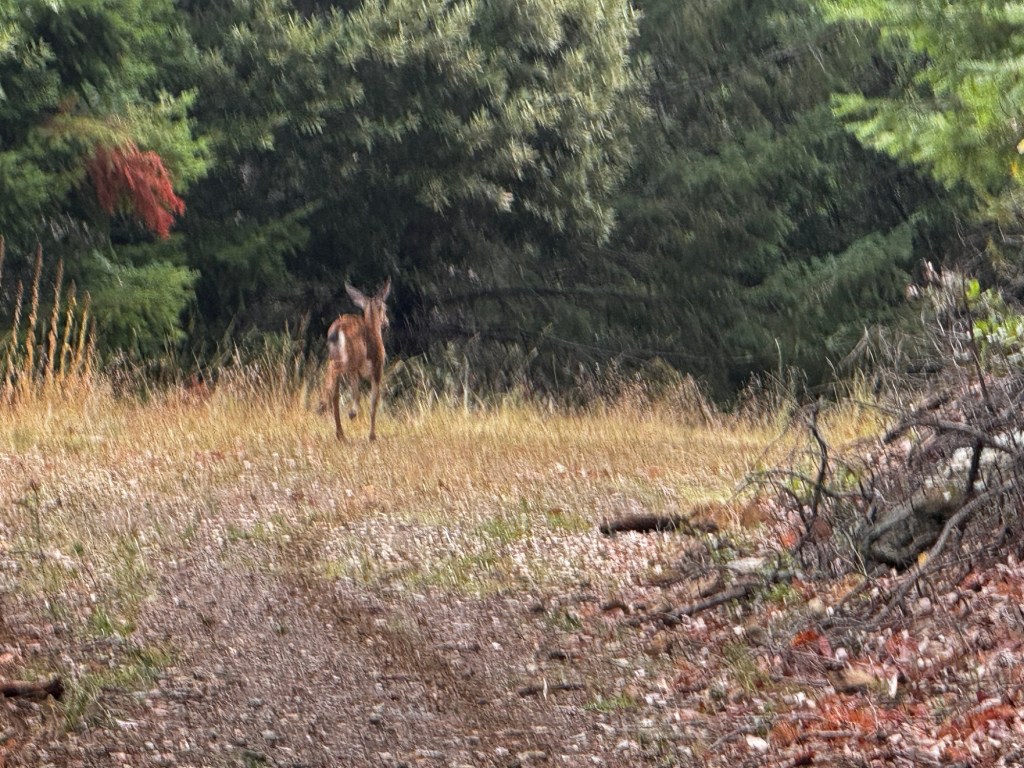


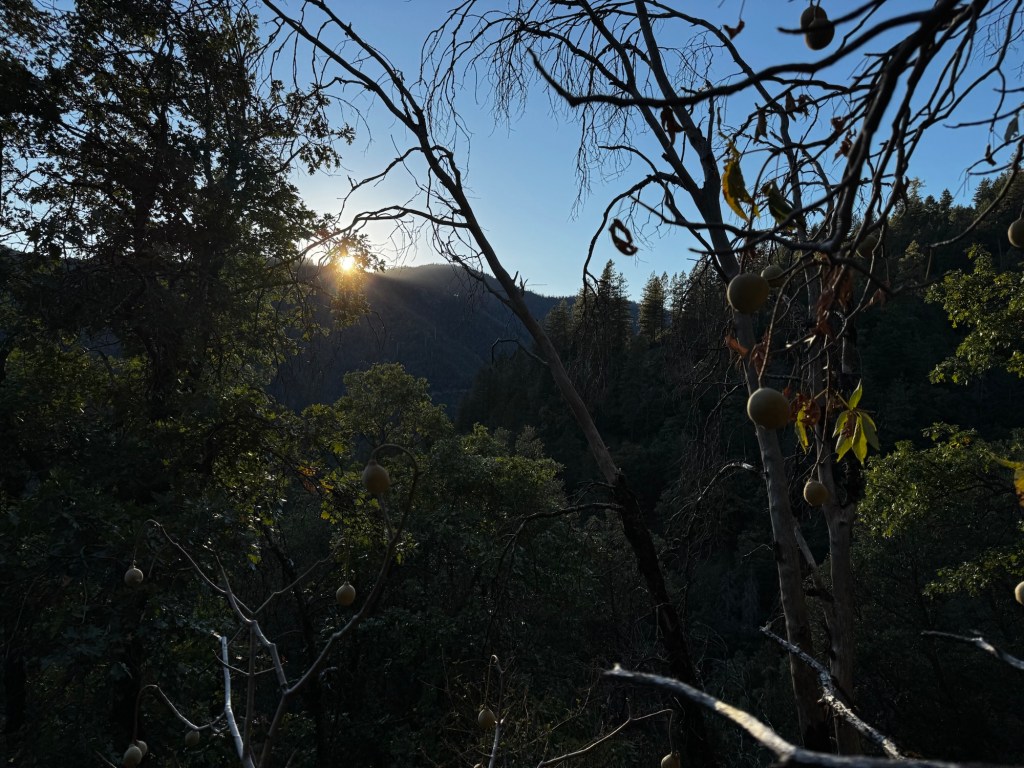


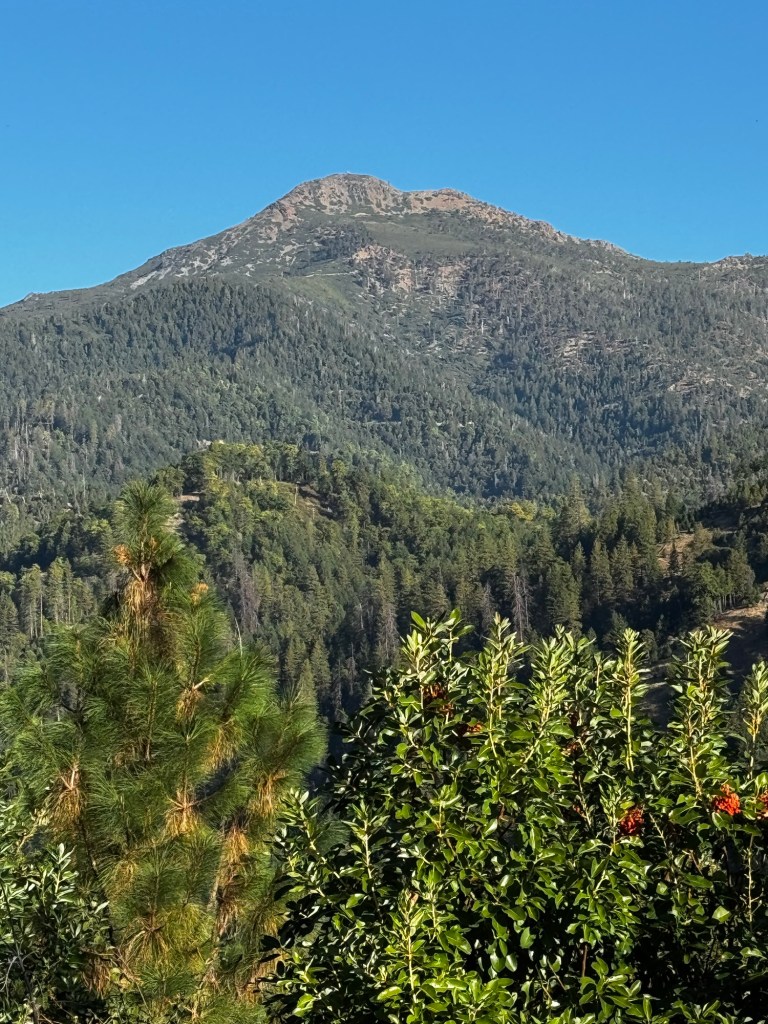


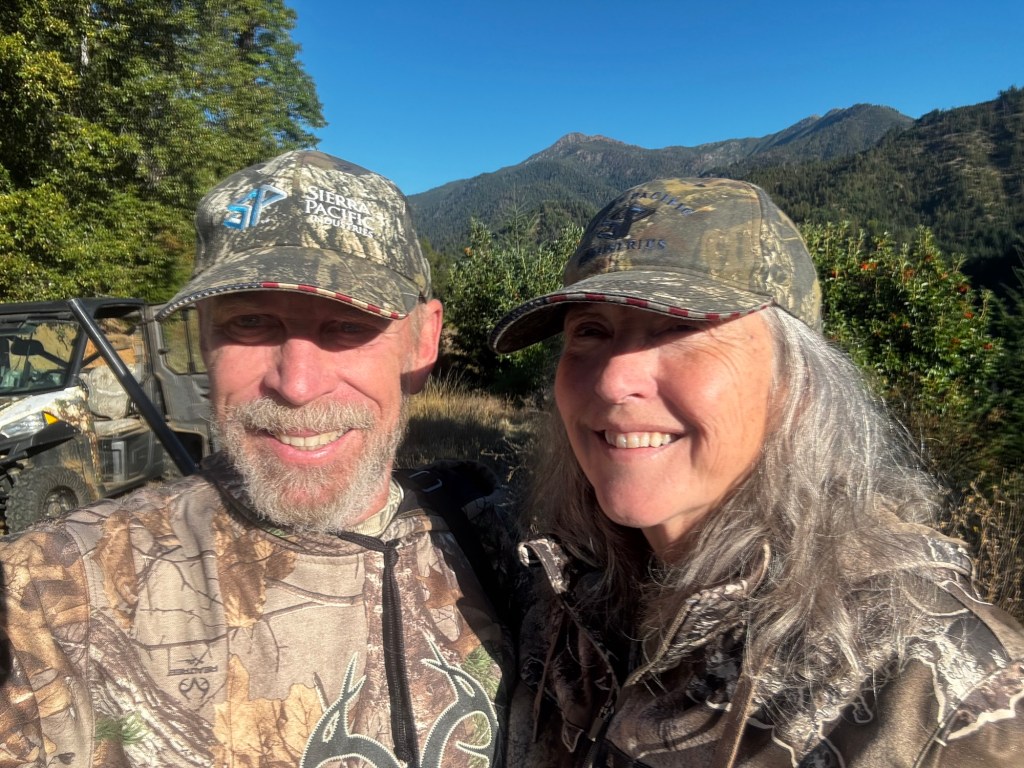









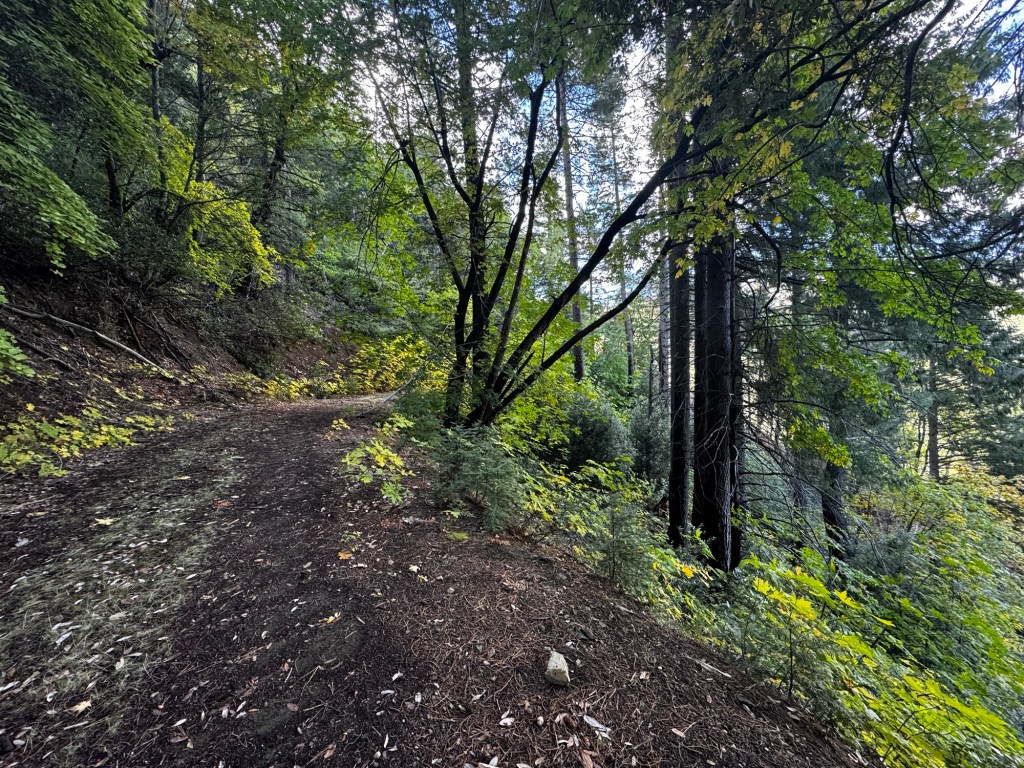


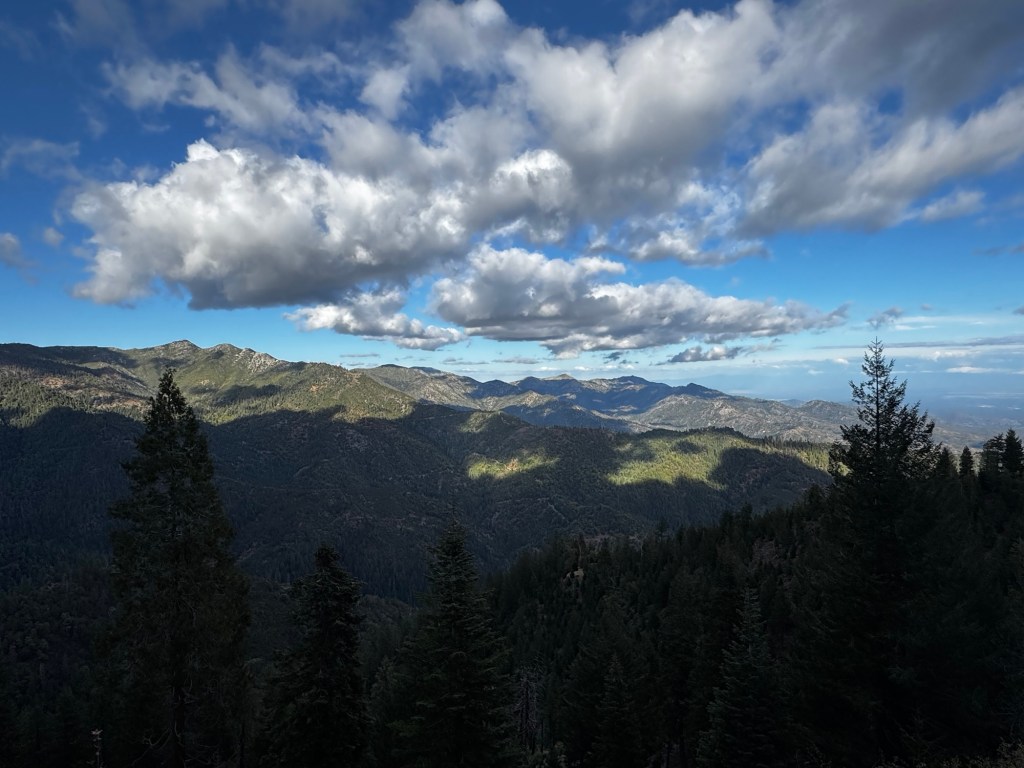



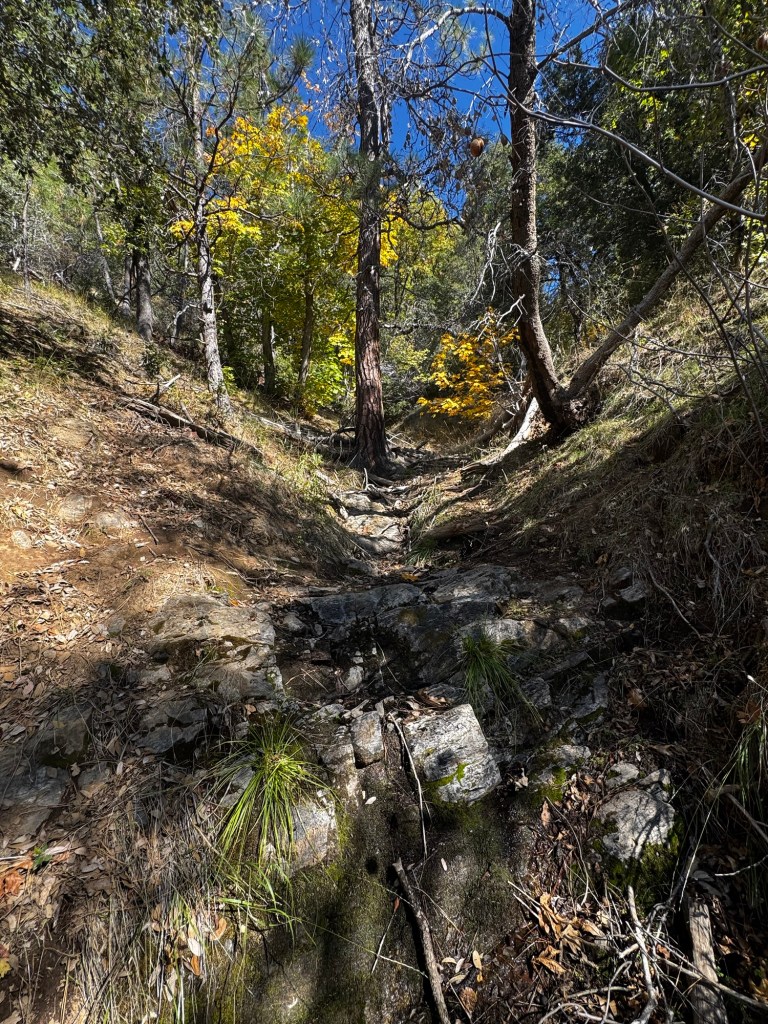


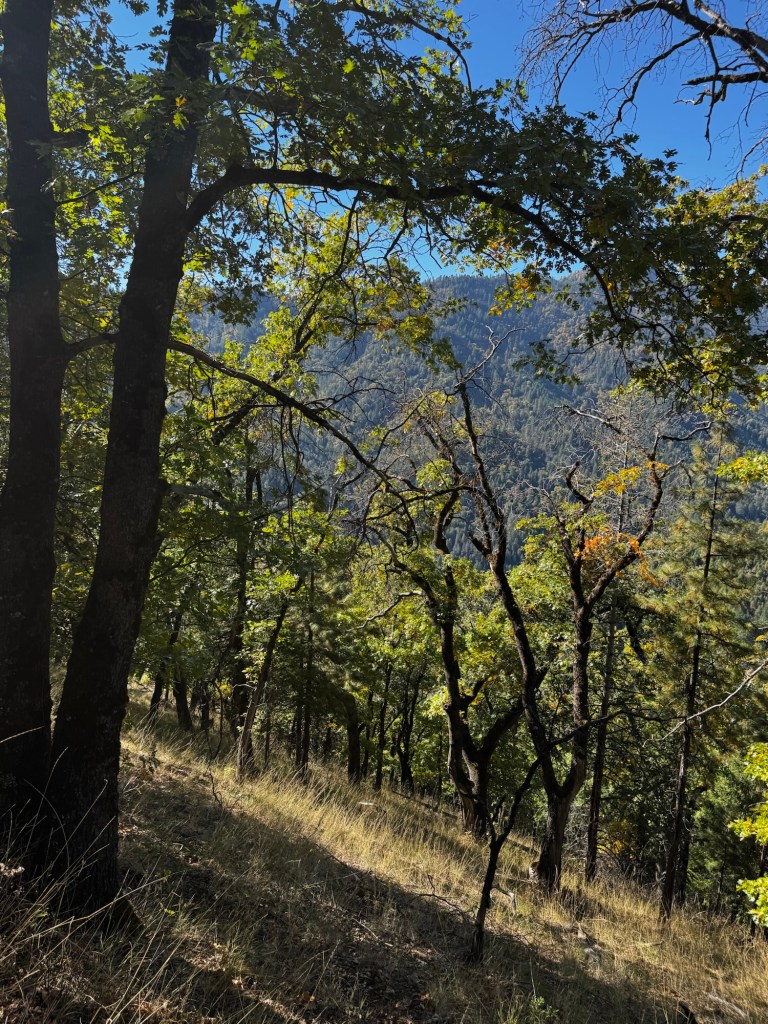
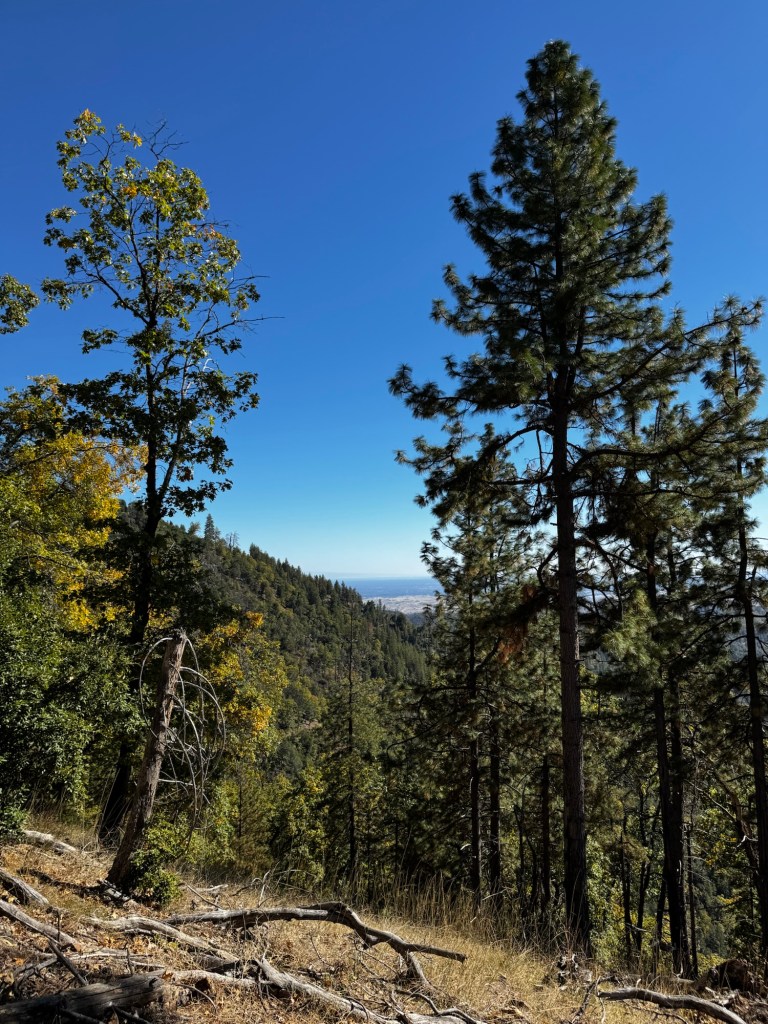
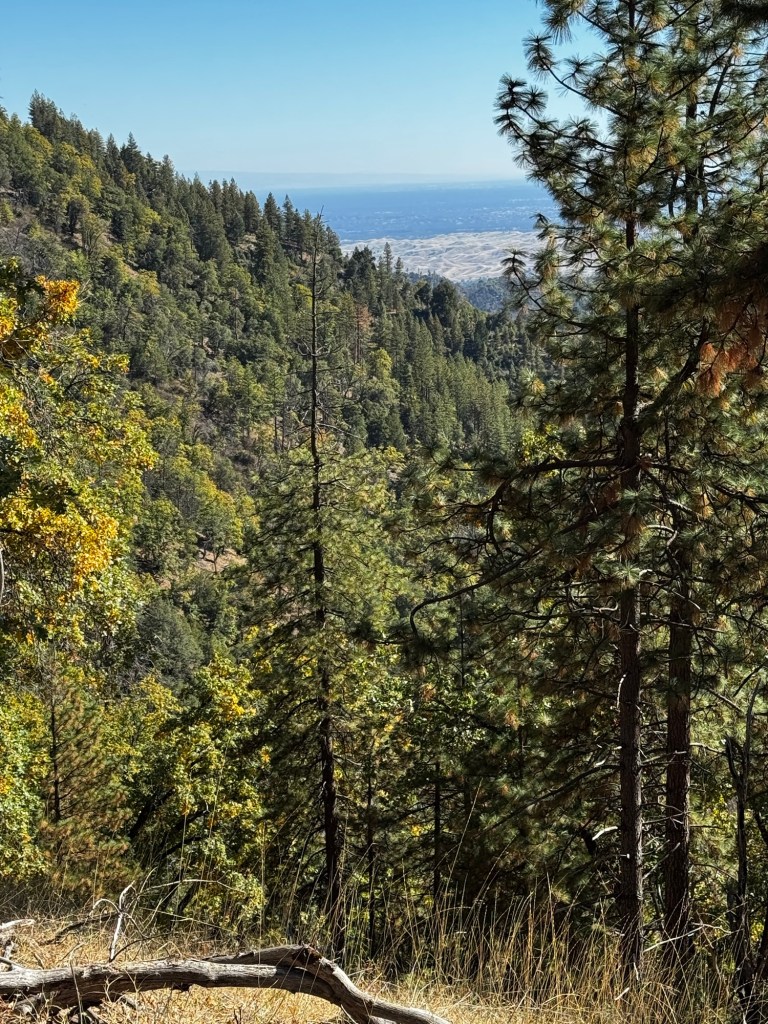
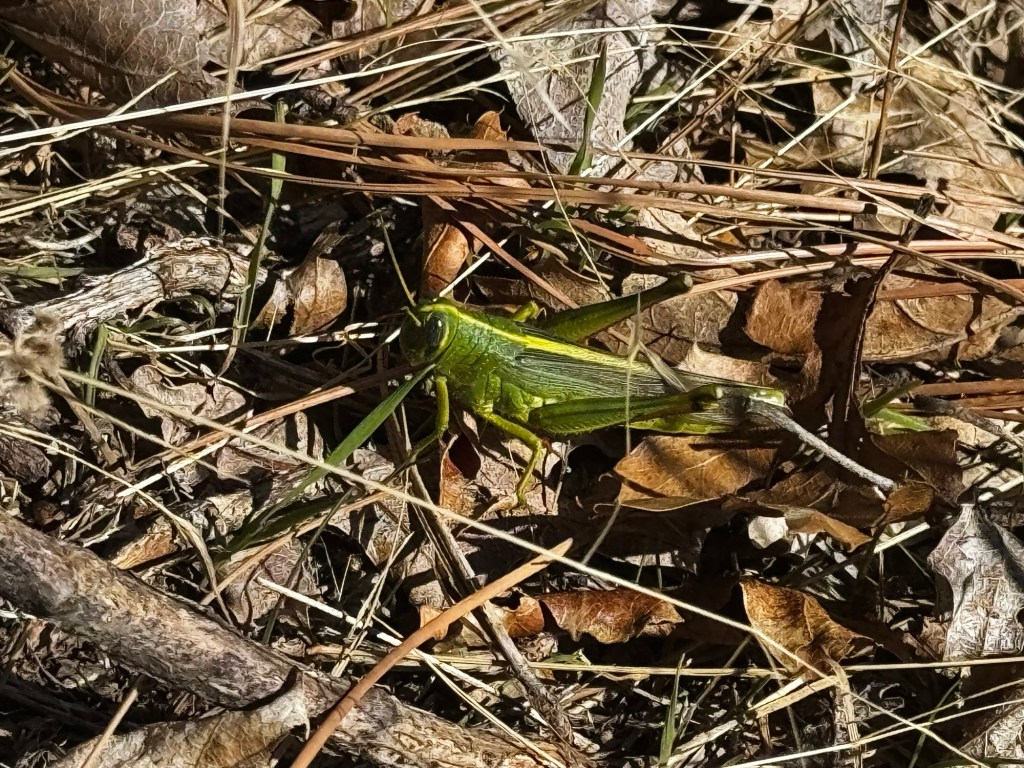







And videos.

A few images.
And videos.
In my happy place.


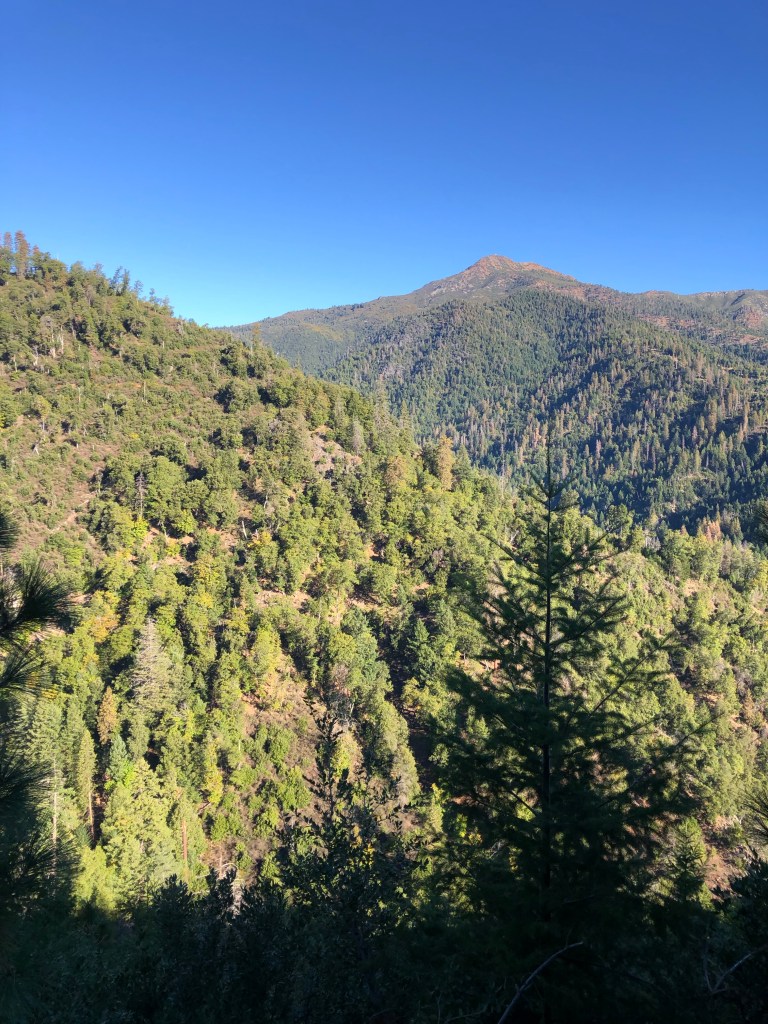
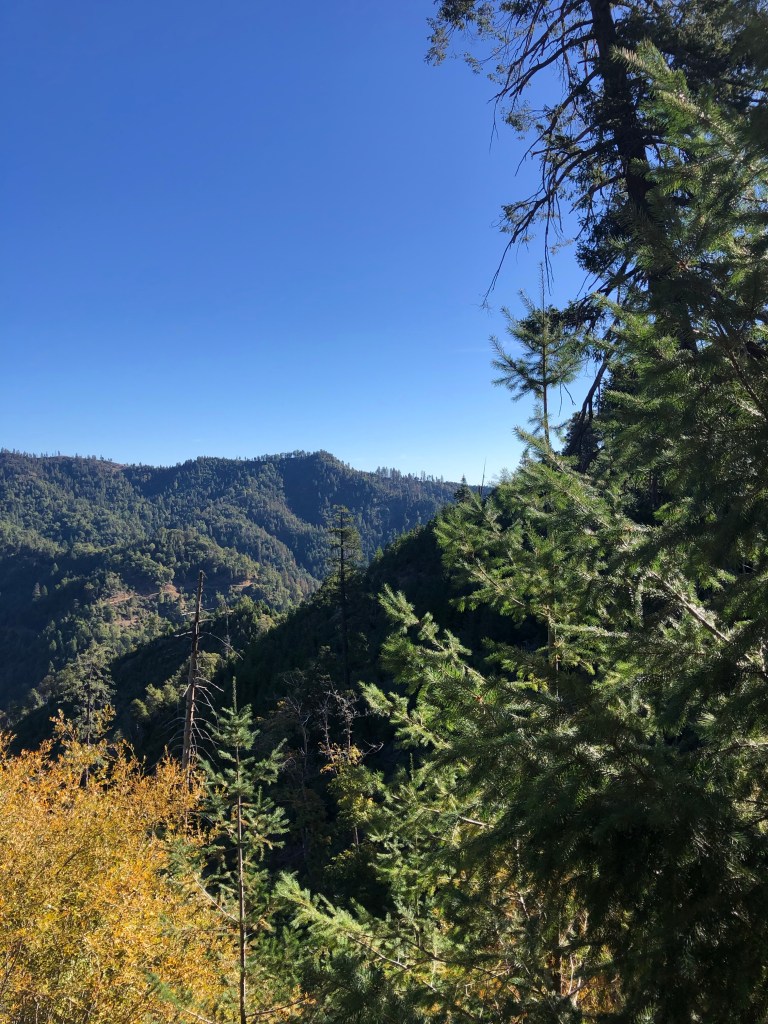


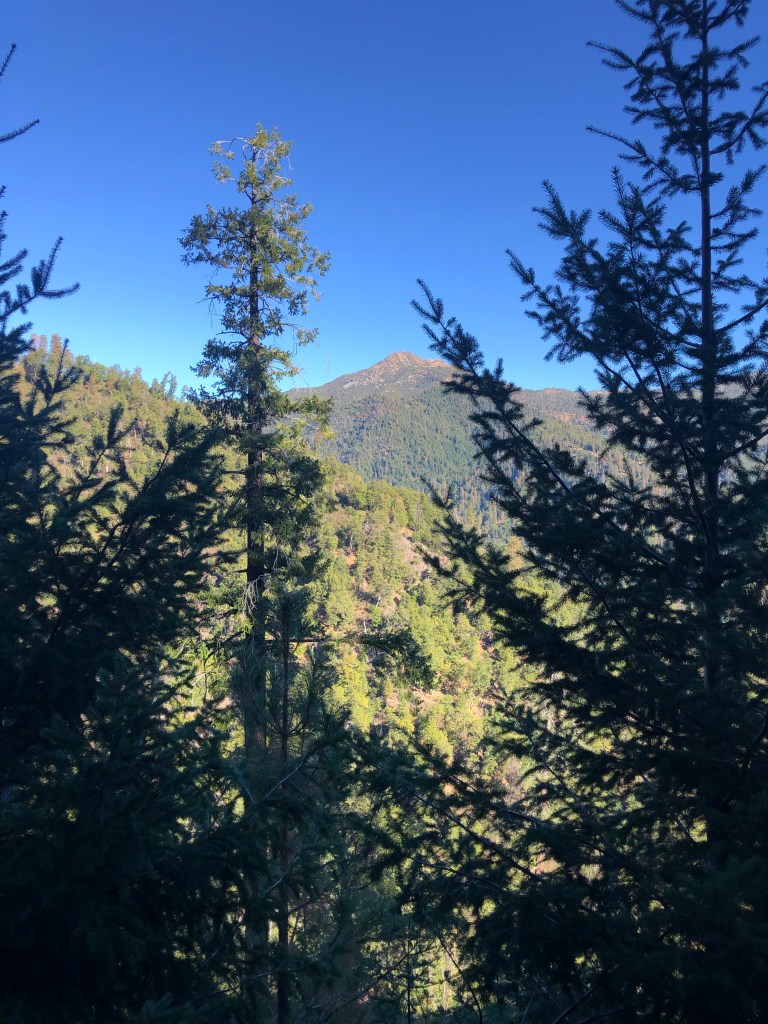


I’ve finished my submission for the Sierra Cascade Logging Conference’s fundraising auction to raise money for the Environmental Resource Education Fund. It’s watercolor 18”x 14.5”. Vintage logging scenes are a favorite theme for me. I’ll be competing against my adorable wife Mary in a head to head competition to see who raises the most money. The winner gets bragging rights. I’ll post the paintings side by side in the next few days and you can judge which is your favorite.
I put together a progression video. I hope you enjoy.
During the last few weeks I’ve had a Siggy and Sailor come to work with me while the weather was cooler. Mostly, it’s been too hot, but we’ve had a few nice days.


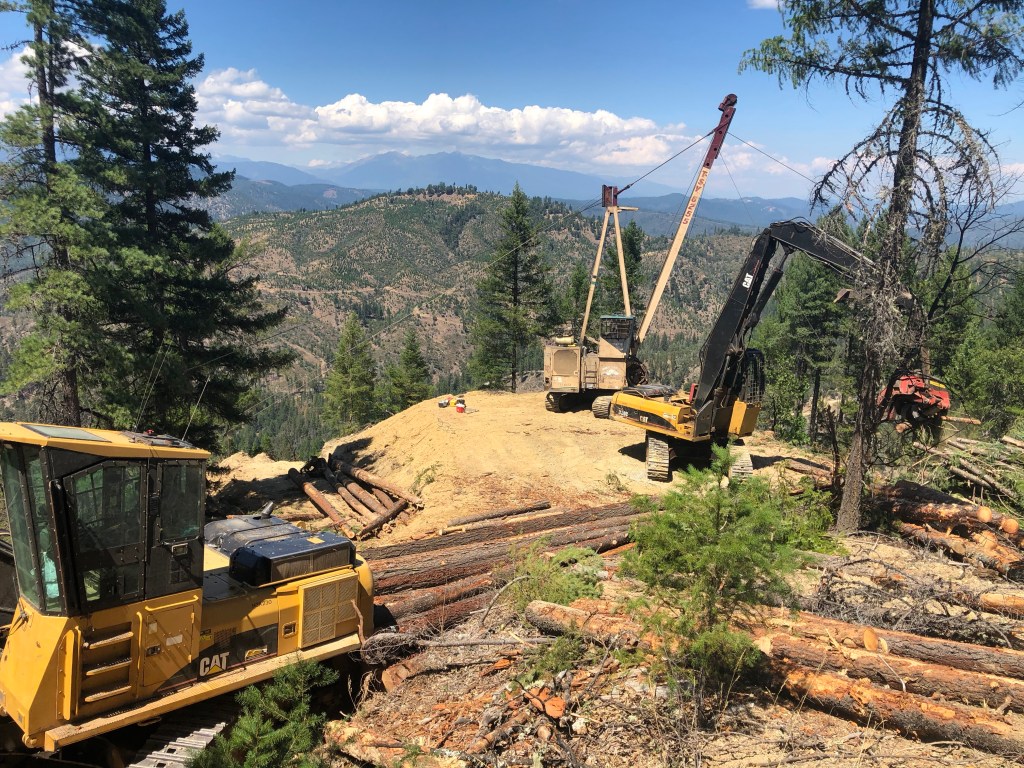


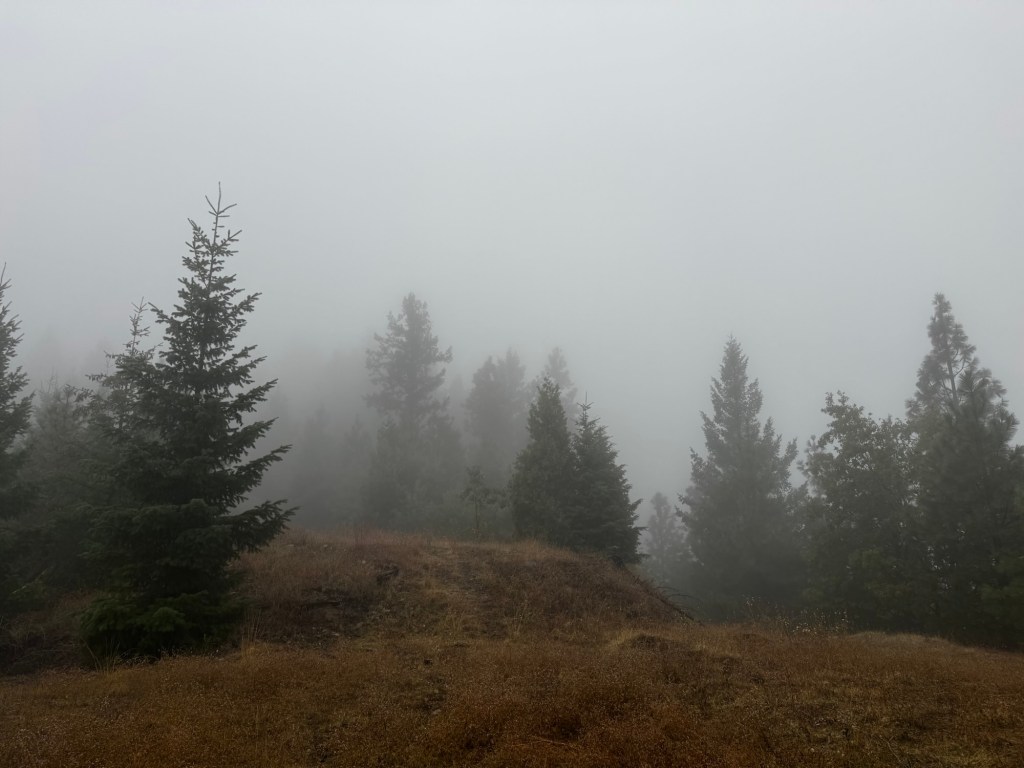
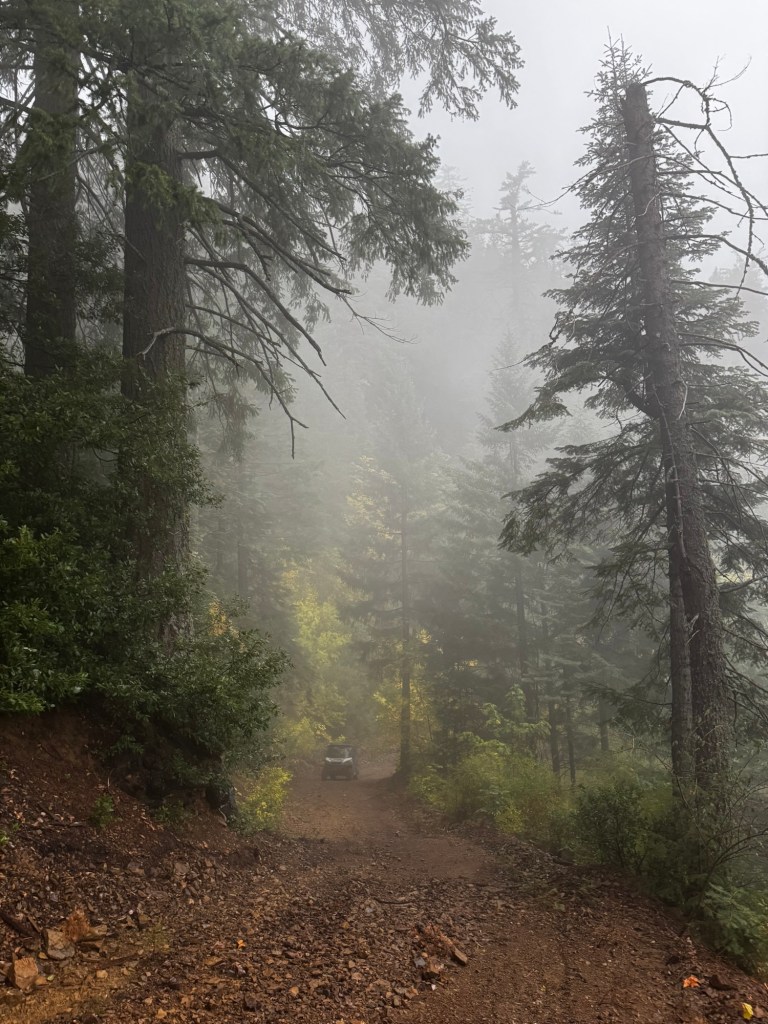
This was Saturday afternoon. What started out beautiful turned to spitting snow on us. It was over a hundred degrees just three days before in the valley. I feel like I’m in Montana! 🥶
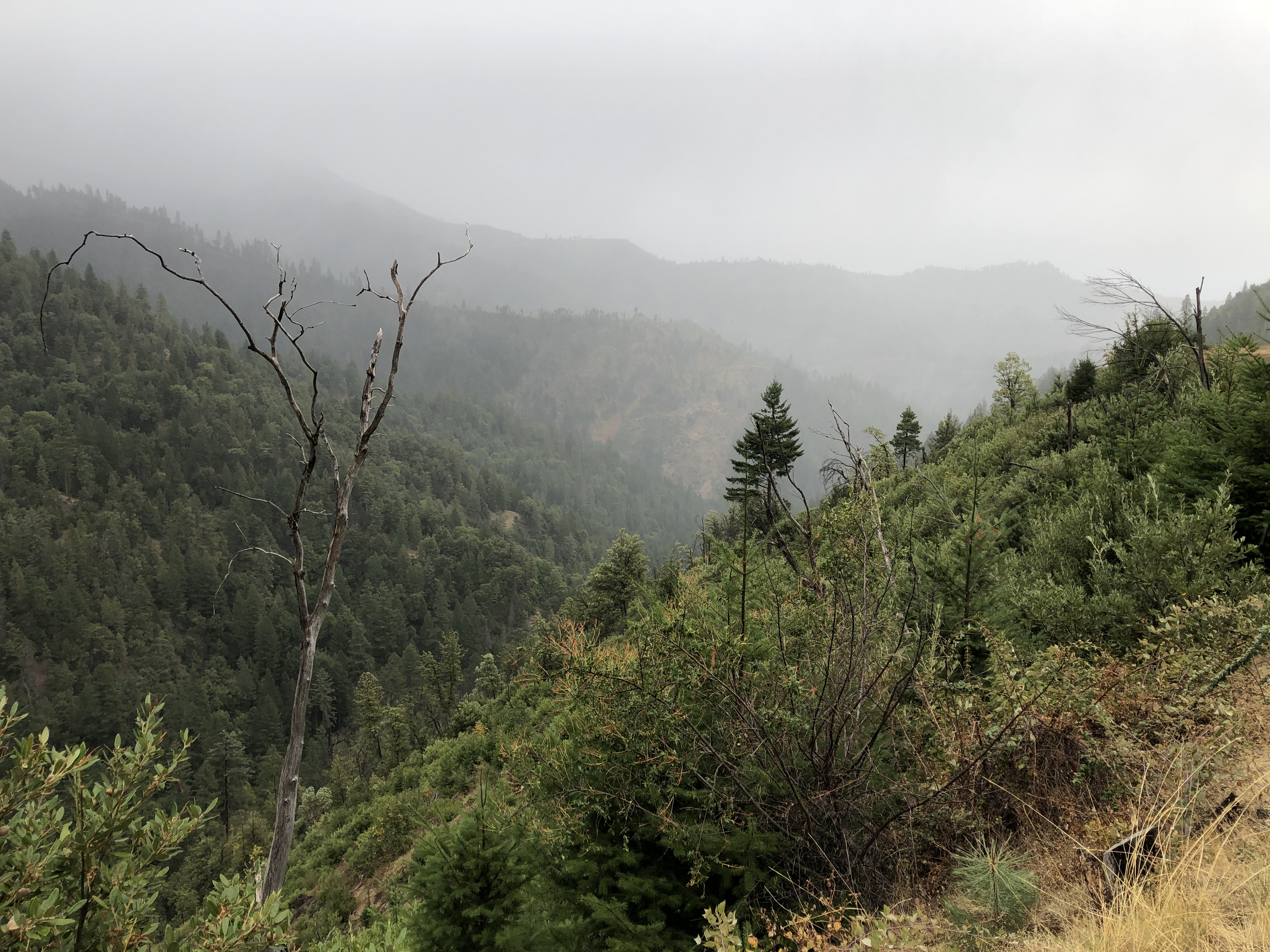
Later it turned better!

On Sunday we did the same thing.


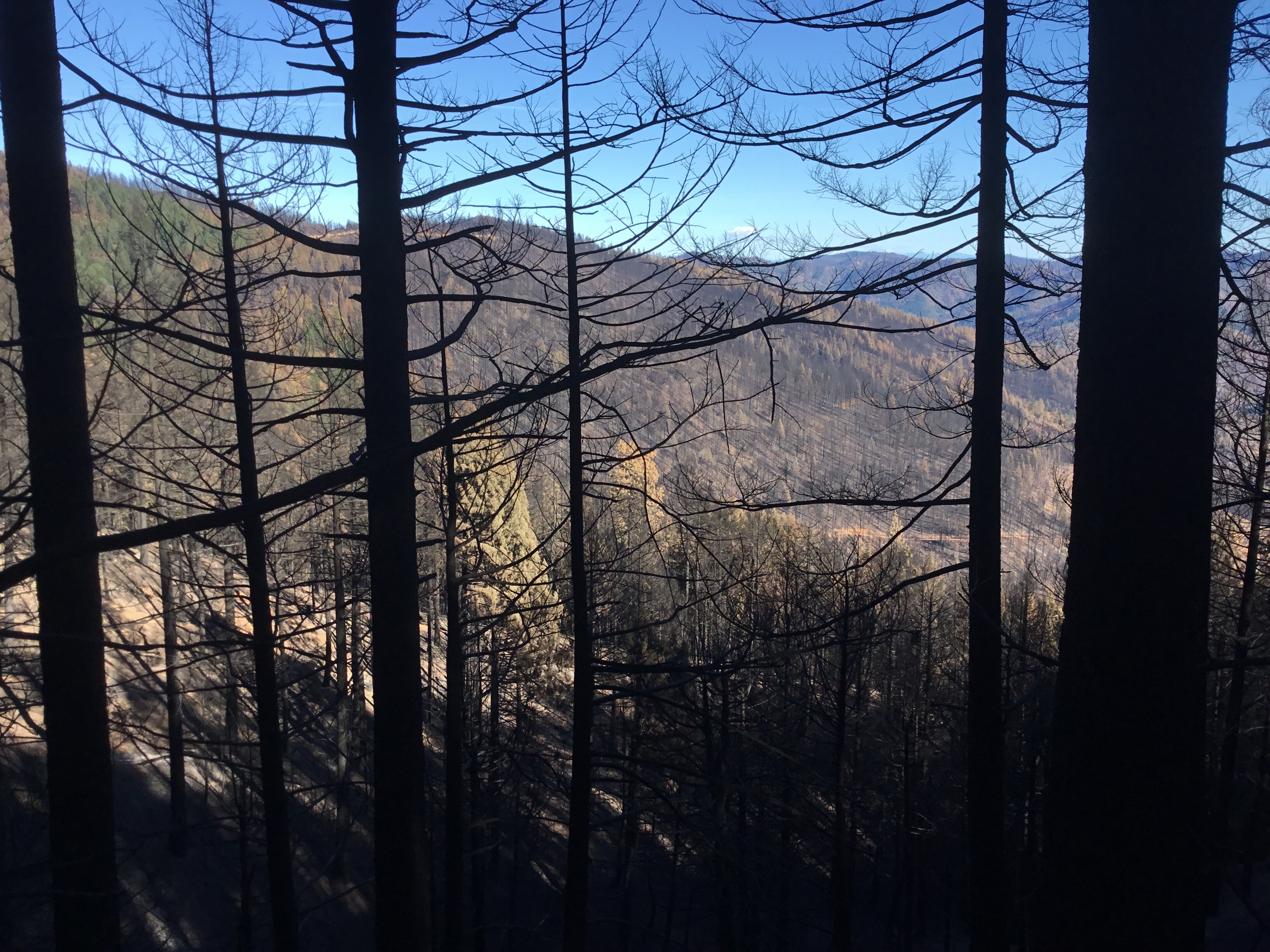
I was out in the Carr Fire burn area today. It’s quite devastating to see the thousands of burned acres of forest. This fire destroyed over 1600 structures, but it also killed millions of trees. We are faced with an epic fire salvage operation that will take years to complete. That will be followed by an equally epic reforestation program

When I write about forestry, I’m most often sharing what goes on in a working forest. A working forest is one that produces commodities, like timber, fiber and bark, as well as provides for environmental benefits such as recreation, clean water and wildlife habitat. I have spent my career on working forests.

A working forest with plantations containing trees in all different life stages.
Think of a working forest like a farm. Farms grow crops of food and other agricultural products. We need farms for our food. Working forests produce forest products and we need them for our shelter. An important difference between the two is that forestlands take years to produce a crop. Working forests spend years growing undisturbed in between intervals of harvesting. They function as an important source of clean water and as a home for wildlife every year.
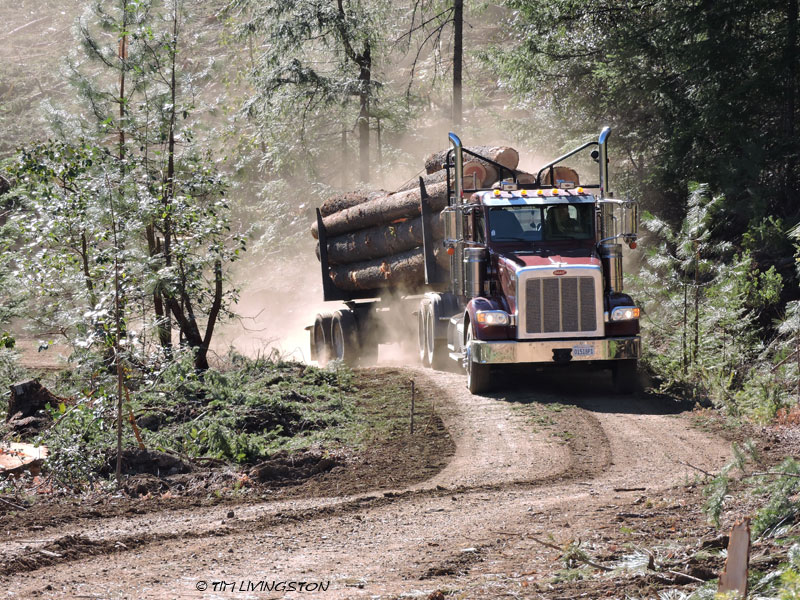
There’s a future house on the back of that truck.
One benefit of producing forest products from a working forest is that it creates income for the landowner. When the landowner has an economic return from managing trees the land will continue to be managed as a forest. There are real costs to owning forestland and if the owner can’t profit managing their forest, they may be forced to develope it into housing subdivisions or some other non-forest use. Then the wildlife habitat may be lost. In a sense the income from producing forest products protects these forests by making growing trees economically sustainable .

This forested area has been subdivided for homes.
All of our forests are important as wildlife habitat. The conventional wisdom is that mature forest provide the best habitat. That is true for species of wildlife that prefer mature forests. However, many species have different habitat needs that include forest at every age.

A dusky grouse.
Forests containing a greater diversity in habitats ranging from mature forest to freshly created openings will support a larger variety of species. Openings are created during harvesting. These openings are planted and then the seedlings begin to grow. Over time the forests develope a great diversity of trees in different age groups. This patchwork of different habitat is available to support many species of wildlife.

This private timberland has diverse habitat which attracts diverse wildlife species.
Working forests aren’t parks, but can still be available for recreation. Hikers, campers and hunters visit these forests year after year. I’m not saying that the working forests are better than the parks, but they each have unique purposes.
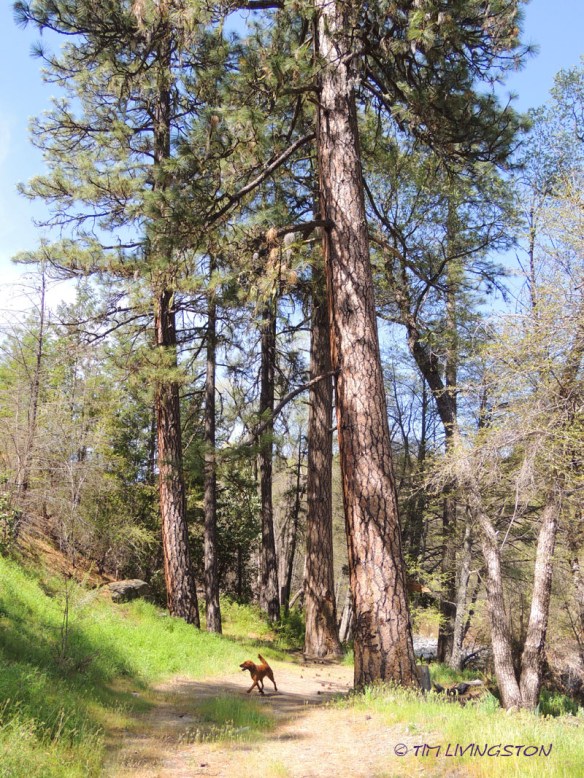
This is on the Mendocino National Forest. Our national forests are also working forest.
Forests are managed by different government agencies, private entities and individuals with a variety of goals. Forestland management is a topic I will explore more in the future. It warrants a full post.

Redwood National Park may not be a working forest, however even they use logging as a tool to achieve the long term goal of growing a healthy resilient forest.
Bliss and Tasha enjoyed a day at work.


The King Fire devastated almost 98,000 acres in the Sierra Nevada, east of Sacramento. Our company lost 18,000 acres of forest. Lately, I’ve had opportunity to spend time in the burn area. There is a lot of work being done by our foresters, biologists, botanists, and others to protect the resources so the timber can be quickly salvaged in an environmentally sensible manner. Most people never get to see what is done to protect the soil, water, cultural resources, and wildlife. In the gallery are images of just some of the work being done.


There is a lot of preparation that has to be done prior to logging. It has taken a large team of resource professionals to get the job done on a project this size.
Just for children a picture book about wildfire and the forest rehabilitation that takes place after a fire. Check out, Firestorm In the Forest.

 THE FORESTER ARTIST