Here is another installment of the 60 Second Forester by Frank Barron.Today, he’s talking about Fire History in California and what he says is true for most of our western forests. Managing the fire ecology of these forests is tricky business especially now when our forests are so out of balance ecologically. Overgrown forest resulting from over 100 years of all or nothing wildfire suppression have set the stage for the massive bark beetle infestations and enormous conflagrations. Only through the use of forest management can we bring back fire resiliency to our forests.
Tag Archives: wildfire
Forestry Friday … Sacbee Op Ed
I just saw this op-ed from the opinion section of the Sacramento Bee. Once I finished banging my head against the wall, I decided it would make a good post. I don’t disagree with most of what is said here. In fact I’m heartened that this originated from the Lahotan Water Quality Control Board, one of the strictest WQCBs in the state. The problem has been that forestry professionals have been pushing solutions like this for decades and the WQCB has been one of the most resistant agencies regarding timber operations.
So many agencies including the United States Forest Service have been stuck in the purgatory of “analysis paralysis.” for so long that the problem of overgrown forest has grown into a crisis. Plus, environmental groups seeking to shut down all harvesting projects have piled on. Our California forests continued to increase in density until another drought comes along, as is prone to happen here. The forests become stressed. Beetle population spike and huge swaths of forest are killed. Wildfires during red flag conditions become unstoppable. The impacts of these fires are exponentially worse than the impacts of the forestry projects that could be creating healthy, fire resistant forests.
It’s good to see acceptance of a possible solution voiced in this article, but the damage is done. We closing the barn door after the horse got out. I wish we could have had this support twenty years ago before 102 million trees died. If the USFS follows its usual pattern of not aggressively salvaging dead and dying timber, only a fraction of a percent of the dead trees will be harvested. They will rot on the stump waiting for the next big fire. These trees are the property of the citizens of the United States. What a waste.
http://www.sacbee.com/opinion/op-ed/soapbox/article117610153.html
Forestry Friday … Tree Planters!

Tree planters from “Timber.” A WIP.

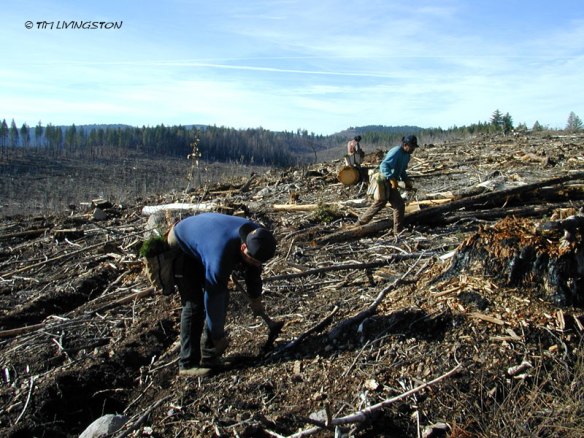
Planting trees in the Gun II Burn in 2001. See more about the Gun II burn in my post “Of Trees and Dogs.”

A freshly planted Douglas-fir seedling.
Wild Wednesday … Grabbing a Little Grub
Forestry Friday … Burnt Snapshot
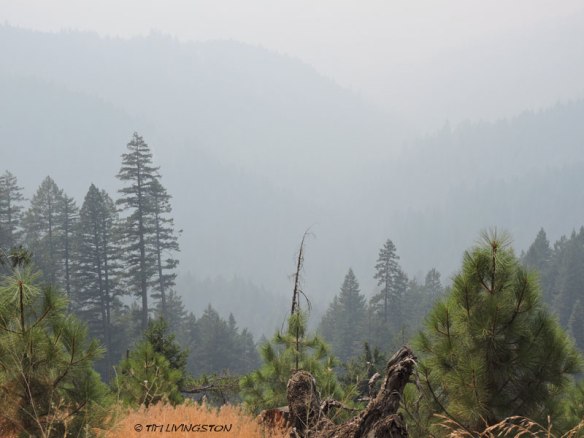
Forestry Friday … “Smoke Gets In Your Eyes”
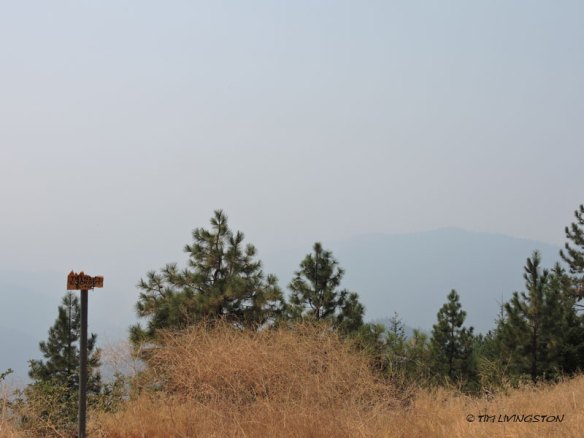
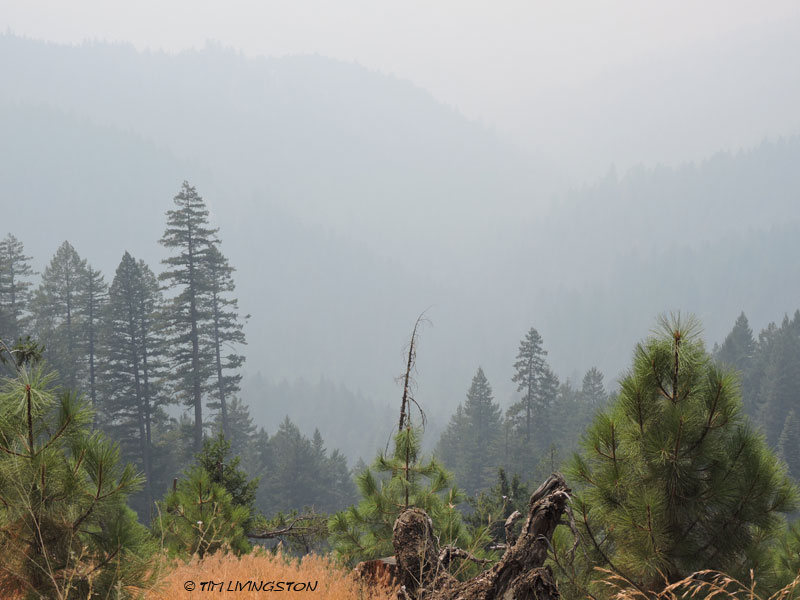
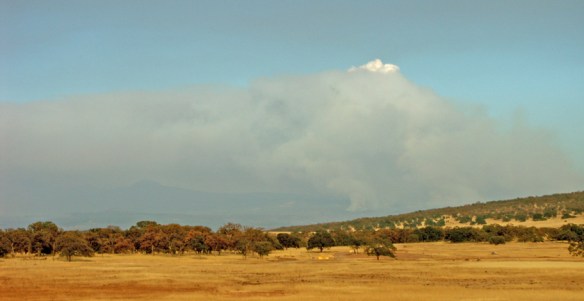
It’s August in California, with our typical forecast for this time of year, “sunny with 100% chance of SMOKE!” Large forest fires are burning up and down the state. The smoke is inescapable.
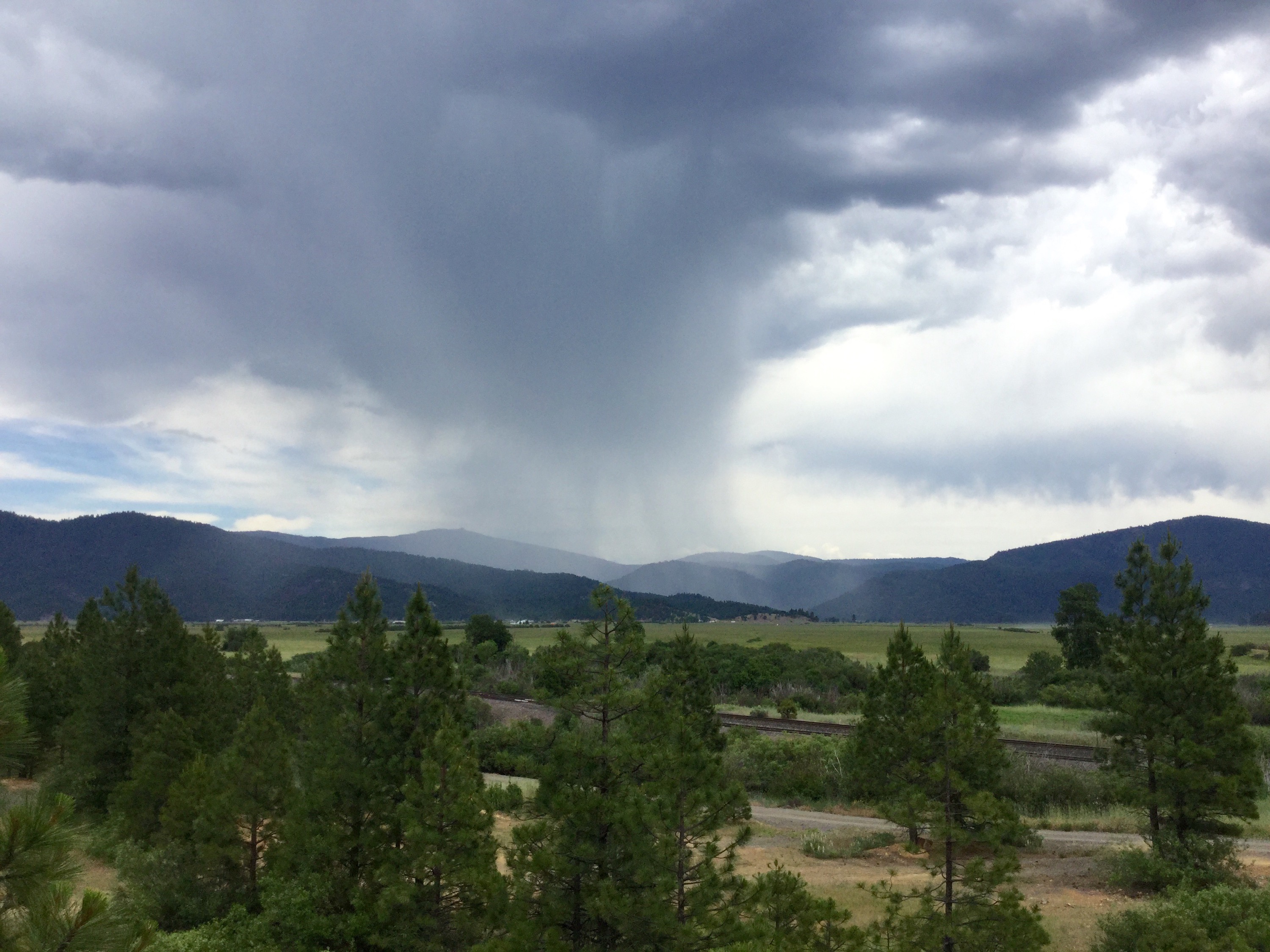
Forestry Friday … Mountain Thunderstorms
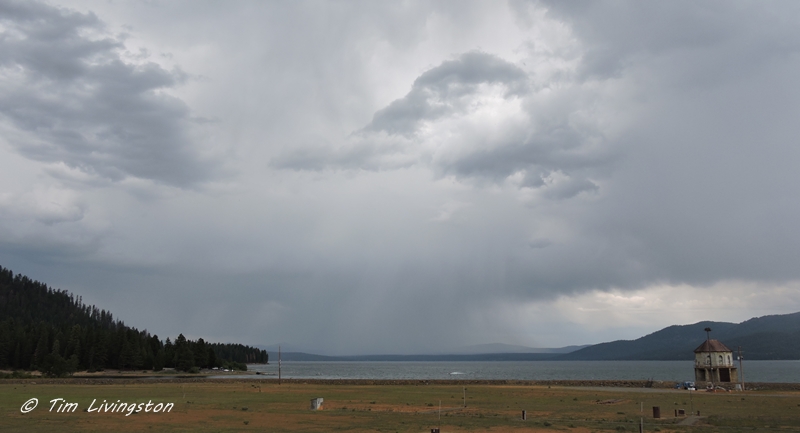
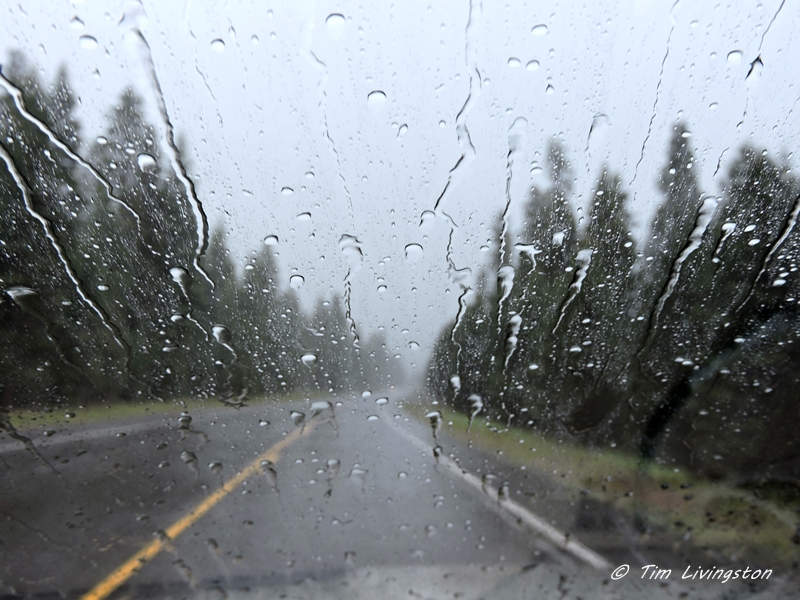
Looking across Indian Valley at a mountain thunderstorm. We’ve had many storms, already this year. Fortunately, they’ve been moisture laden. Dry lightening is a huge concern in the Sierra Nevada, especially in a dry year like this. Our long term weather prediction is for high thunderstorm activity in July and August. Hopefully, a healthy dose of rain goes with it.
Unfortunately, thunderstorms are so spotty when it comes to rain. As of yesterday “sleepers” started popping up all over Northern California. The sleepers are the smoldering lightning strikes that flare into a full blown fires when the temperatures rise and humidity falls.
Most of the lightning fires have already been extinguished by the fire services, but there are always a few that get away. Today we are suppose to reach 103 F in the valley and 108 F tomorrow. Despite the rain, it’s fire season in Northern California.
Forestry Friday … Weather Station
California is into the fourth year of drought. Wildfire is on our minds in the natural resources community. Hazardous fire conditions are just around the corner and we are already preparing. The state and federal agencies have a system for predicting high fire hazard conditions, and tracking weather and fuel moisture is at the core of it.
We utilize local weather stations on our timber lands to get pin point fire weather conditions. Our research department installs them. Some of these stations are permanent and some are mobile. The mobile stations, like the one shown above, can be relocated as needed. We put these at active logging sites so we can measure accurate on site fire weather conditions.
Years ago, we used mechanical anemometers to measure wind speed, and fuel moisture sticks weighed with a scale to measure fuel moisture. During the summer season, measurements were taken on the hour by someone on the logging crew. When conditions became severe enough, operations were shut down for the day.
With today’s technology, we have the ability to monitor conditions continuously and have the data transmitted to our office. Changes in fire conditions can be spotted in real-time and radioed to the logging crews. We can collect much more data with the new weather stations than ever before, and respond to changing condition accordingly.

The Ponderosa Fire.
The weather stations won’t eliminate wildfire, but they do assist the logging crews in avoiding being the cause.
Forestry Friday … Protecting a King Sized Salvage Job!
The King Fire devastated almost 98,000 acres in the Sierra Nevada, east of Sacramento. Our company lost 18,000 acres of forest. Lately, I’ve had opportunity to spend time in the burn area. There is a lot of work being done by our foresters, biologists, botanists, and others to protect the resources so the timber can be quickly salvaged in an environmentally sensible manner. Most people never get to see what is done to protect the soil, water, cultural resources, and wildlife. In the gallery are images of just some of the work being done.
There is a lot of preparation that has to be done prior to logging. It has taken a large team of resource professionals to get the job done on a project this size.
Just for children a picture book about wildfire and the forest rehabilitation that takes place after a fire. Check out, Firestorm In the Forest.
The Art Challenge, Day Five … Story Books
It’s day five! I was tagged to do the 3 pieces of art a day for 5 days, Art Challenge, by Mark Mitchell. This is the last post. The theme for today is “Story Books”, that I’ve illustrated I put up illustrations from three different books.
I would love to give everyone a break, so I’m not tagging anybody for the Art Challenge. If you want to do it, then tell me and I’ll tag you!
The books: