
Roadrunner in Watercolor and, pen and ink.

Here’s my inspiration. I don’t see them often, and what a treat to have a photogenic roadrunner!

Roadrunner in Watercolor and, pen and ink.
Here’s my inspiration. I don’t see them often, and what a treat to have a photogenic roadrunner!
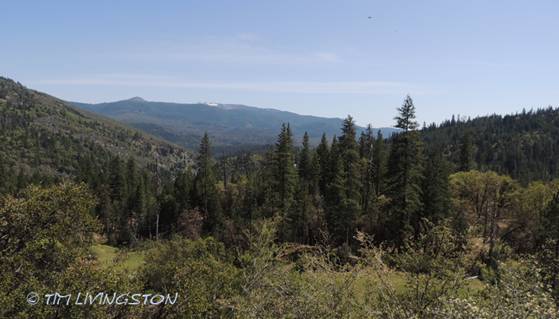
 This wasn’t your everyday old growth Douglas-fir forest. When a freezing cloud layer settled in, it became a crystal forest.

 No lesson today, just something cool.

Canyon Delphinium, Delphinium nudicaule
They are red and orange sparks along the roadside in the spring mountains.
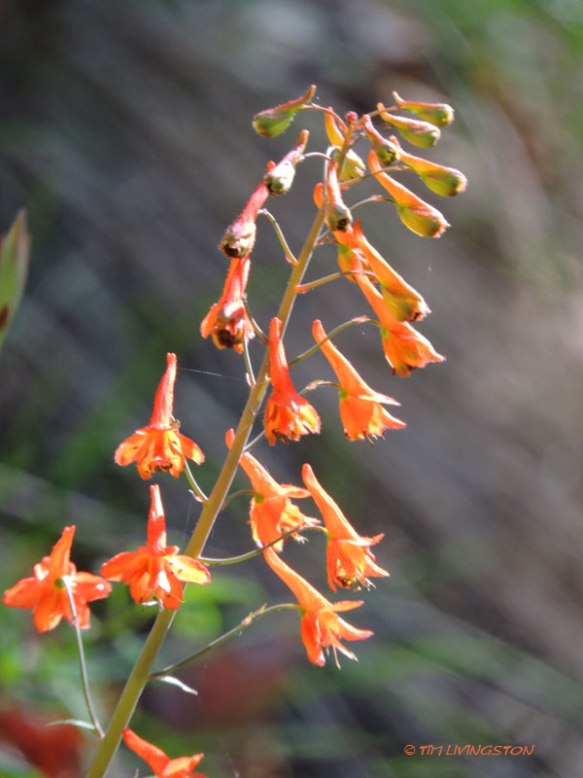
Also known by the common names canyon larkspur, red larkspur, and orange larkspur.

The anemometer measures the wind speed and direction.
California is into the fourth year of drought. Wildfire is on our minds in the natural resources community. Hazardous fire conditions are just around the corner and we are already preparing. The state and federal agencies have a system for predicting high fire hazard conditions, and tracking weather and fuel moisture is at the core of it.

A portable weather station.
We utilize local weather stations on our timber lands to get pin point fire weather conditions. Our research department installs them. Some of these stations are permanent and some are mobile. The mobile stations, like the one shown above, can be relocated as needed. We put these at active logging sites so we can measure accurate on site fire weather conditions.

The fuel moisture stick measures moisture content in forest fuels.
Years ago, we used mechanical anemometers to measure wind speed, and fuel moisture sticks weighed with a scale to measure fuel moisture. During the summer season, measurements were taken on the hour by someone on the logging crew. When conditions became severe enough, operations were shut down for the day.
With today’s technology, we have the ability to monitor conditions continuously and have the data transmitted to our office. Changes in fire conditions can be spotted in real-time and radioed to the logging crews. We can collect much more data with the new weather stations than ever before, and respond to changing condition accordingly.
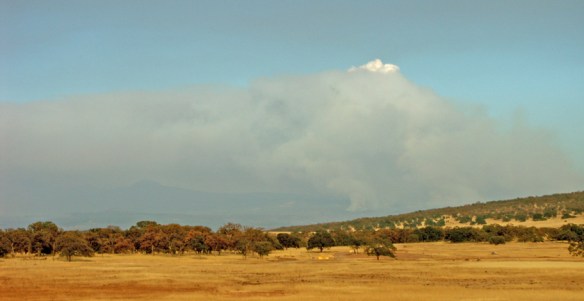
The Ponderosa Fire.
The weather stations won’t eliminate wildfire, but they do assist the logging crews in avoiding being the cause.
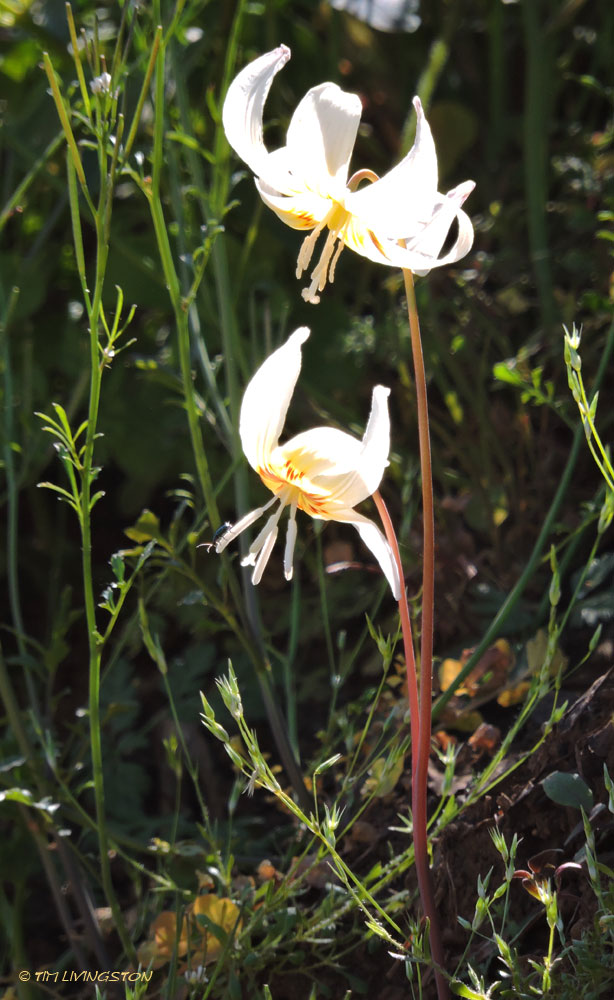
Erythronium californicum the California fawn lily. It lives in moist woodland areas in the mountains of Northern California
Starting today, “Wild Wednesday!” It may be wildflowers, wildlife, or whatever wild thing that comes along. Today’s wild thing is a California Fawn Lily.
This should be fun!
 Oh No! Baby-O
When a dog frightens mama opossum, Baby-O flings from her mama’s back and begins an exciting adventure.
Our local wildlife rescue organization, Shasta Wildlife Rescue and Rehabilitation (SWRR), holds an Annual Open House and Baby Shower event at Anderson River Park, in Anderson, CA. Educational animals will be on hand and there’ll be activities for children. Tim and I will be there as well.
My first introduction to SWRR was over 20 years ago when a turkey vulture fledgling took up residence in our henhouse. A few years later I discovered a mama opossum roadkill with live babies still in her pouch along our little country road. In each instance, SWRR volunteers gathered the young and cared for them until they were able to make it on their own in the wild.
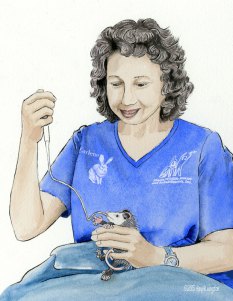 Shasta Wildlife Rescue volunteer feeds an orphaned baby opossum.
A few years back, Karlene Stoker (SWRR volunteer)…
View original post 185 more words

A speed chopping contest between Oregon State University and Shasta College students. Logging sports like this were inspired by how it was once done.
Every time I see a news report where the reporter says loggers “chopped” down trees, I want to bang my head against the coffee table. Loggers haven’t chopped down trees since chainsaws took over the job in the 30’s and 40’s.

Using a chainsaw to limb a Ponderosa pine tree.
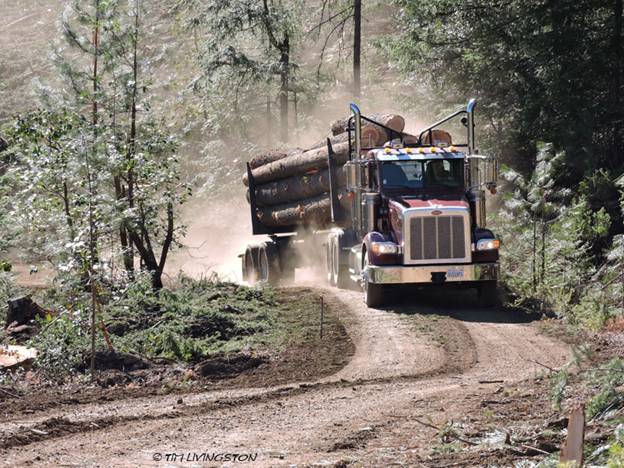
Chainsaws are still on every logging job, but now they share much of the tree falling duty with the feller bunchers. These machines look more like something from Star Wars. It’s not what most folks would expect on a logging job.

The disk on the front of the feller buncher is the saw blade. This type of saw head is called a “hot saw” because it runs constantly.
This machine is working on a fire salvage operation from last years wildfires. They cut trees all day long.

They grab the trees when they cut them. The trees are then stacked up in a “doodle” for the skidders to take to the log landing.
Life is a lot different for the loggers these days. Working in an air-condition cab is a world away for the days of axes and misery whips.

This tree shear is another example of tree cutting technology. Don’t worry, we let her go.


The Northern California skies from sunup to sundown.
Linda Martin Andersen invited me to write a guest blog. Come check it out!
 “March 21–International Day of Forests” with guest blogger, Tim Livingston.
International Day of Forests

View original post 414 more words

I chance upon these handsome fellas on the way home the other night. I stopped and chatted them up a bit with my call. They obliged by talking back and showing me a strut that would make a runway model proud.


 THE FORESTER ARTIST