Wild Wednesday … “cat without a grin”

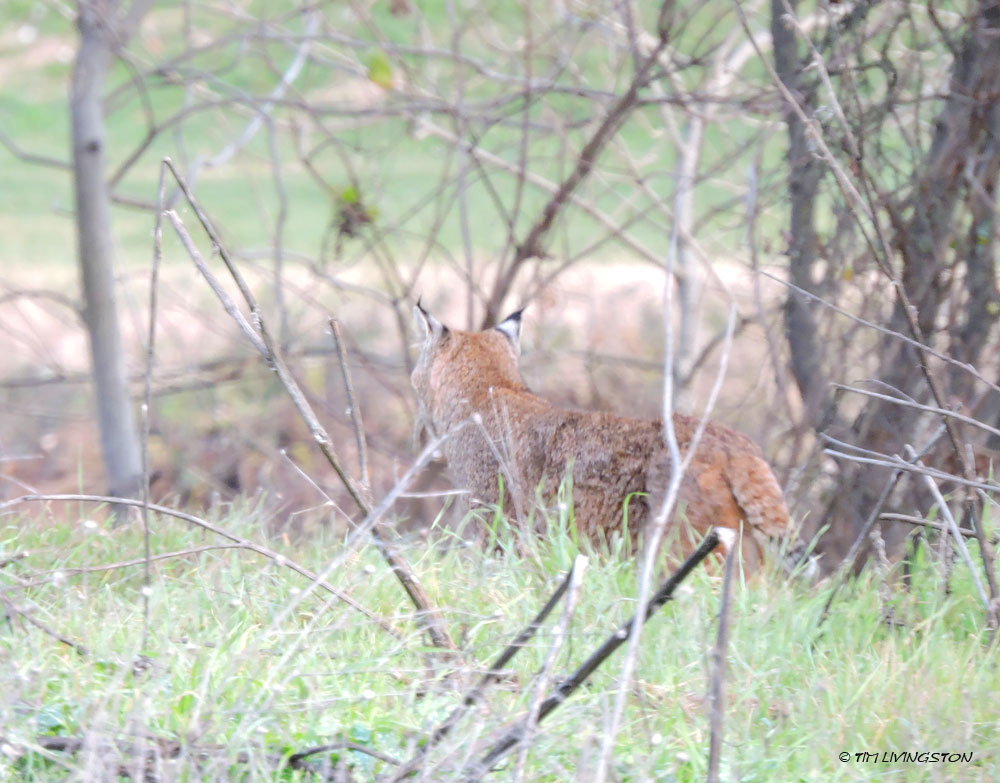
Bobcat The big male bobcat slinks away.

I had to go to the mill on Monday to do log inventory. It was a holiday and there were only a few folks at work. It was unusually quiet. I drove around the backside of the log deck only to have a large bobcat cross the road in front of me. Immediately, I stopped and grabbed my camera. Standing on the seat and door handle I had a great view of the cat. He’d stopped and was looking back at me. It was perfect ….. except, I had my SLOW camera. By the time it went through its agonizing start-up cycle the bobcat crept off. I managed only one picture before he slipped away toward the river, fading like the Cheshire Cat.

`All right,’ said the Cat; and this time it vanished quite slowly, beginning with the end of the tail, and ending with the grin, which remained some time after the rest of it had gone. –  Alice In Wonderland 

Golden Retriever Bliss

Golden Retriever, Bliss, pen and ink, pen drawing, drawing pet portrait

Golden Retriever Portrait of Bliss in pen and ink.

We took a walk around the property on this blustery day. Here’s a gallery of our pack. Just click on a picture to enlarge.

Wild Wednesday … Our Backyard

Backyard, lighting, shadows

I just love this lighting. I think to myself, “I really live here.”

Forestry Friday … Loggers To The Rescue

salvage logging

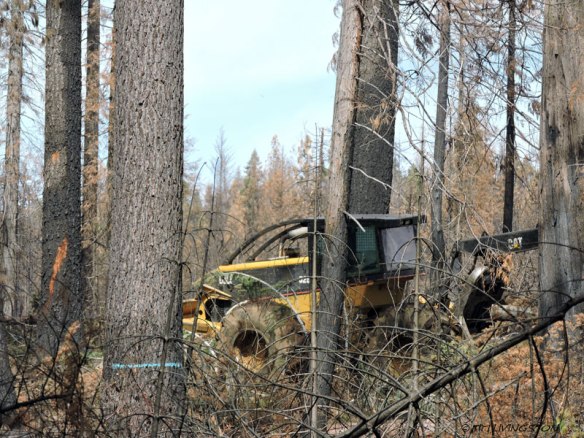
Skidding salvage logs to the landing in the King Burn.

This article appeared in The Economist and sums up the need and benefit of thinning the forests of the Sierra Nevada. I’ve added a few comments about it below.

http://www.economist.com/news/united-states/21711930-cutting-often-preferable-burning-greater-cost-can-be-offset-payments
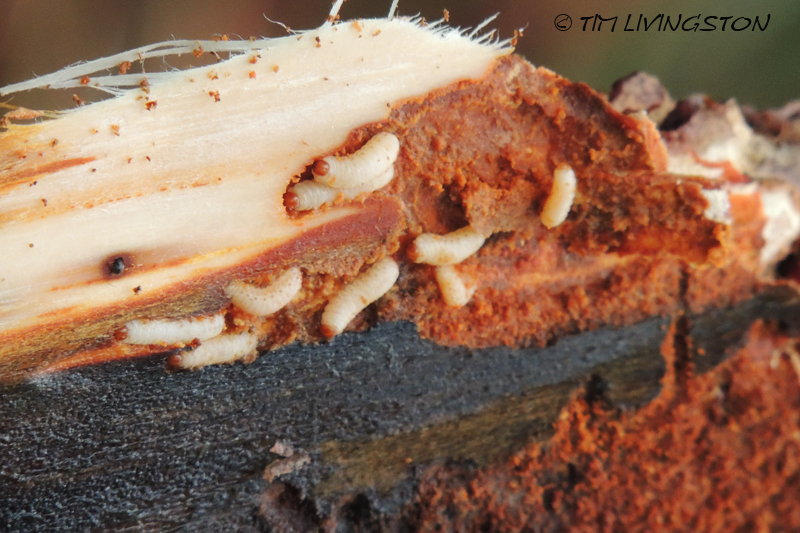
bark beetle, larva, Dendroctonus valens

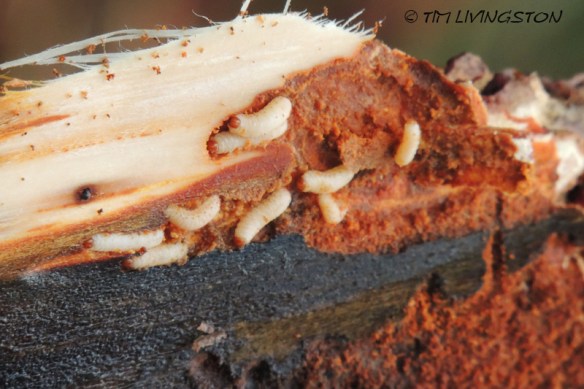
The larval form of bark beetles are what kill the tree. The adult beetle chews a nursery gallery into the tree and lays her eggs. The larva hatch and spread out from that gallery creating more galleries as they feed. During this feeding process the larva girdle the cambium of the tree causing it to die.

I really appreciate the discussion regarding water generation through thinning. I believe this is one of the least discussed benefits of practicing forestry in the West, but in California it’s one of the biggest benefits with our constant water deficits. Thinning the Sierra forests would generate an enormous amount of water for California.

When comparing the cost of controlled burning to mechanized thinning (logging) you can’t ignored the cost incurred when controlled burns get out of control. The cost differences between doing controlled burn and fighting out of control fire is enormous. I’m not saying don’t use controlled burning, but fire suppression costs need to be included when controlled burns get out of control. Controlled burning is one tool available, but cannot come close to solving the problem of all the overstock forests.

Commercial thinning that includes merchantable (larger) trees is the only economically sustainable way to accomplish the massive level of thinning that needs to be done. The author points out 52 trees per acre was the historic density of trees in the Sierra. Research has shown that the proper density for optimal growth in fully stock mature timber stands to be between 43 and 64 trees per acre depending on the size of the trees. If we remove 236 trees per acre to reach 64 trees per acre, then some of those trees have to be big enough to make a 2 x 4.  If there is enough value in the larger trees, a timber company will pay the federal government to thin the forest instead of the government paying a contractor to clean up and dispose of the unmerchantable trees.

What’s the upside? We get healthy resilient forests that are more fire resistant. Wildfires that do start are less severe, and safer and easier to control. There is more water available to the state. The wood isn’t left to rot. It is used in wood products and to generate electricity. People doing these forest related jobs see an economic benefit, particularly in the rural communities. The practice is sustainable and wood is our great renewable resource.

Lastly, some folks are going to fret over the impacts of logging at that scale. I want you to know this, timber harvests are studiously planned to mitigate the potential negative impacts they could cause. Secondly, just imagine the negative effects of these mega-fires.  I’ve seen them and their effects are staggering. I’ve yet to see one large burn ever have it’s negative impacts fully mitigated.

 

Where Have All the Flowers Gone

Wild Wednesday … Thinking of Spring on the first day of Winter

foresterartist's avatarTHE FORESTER ARTIST

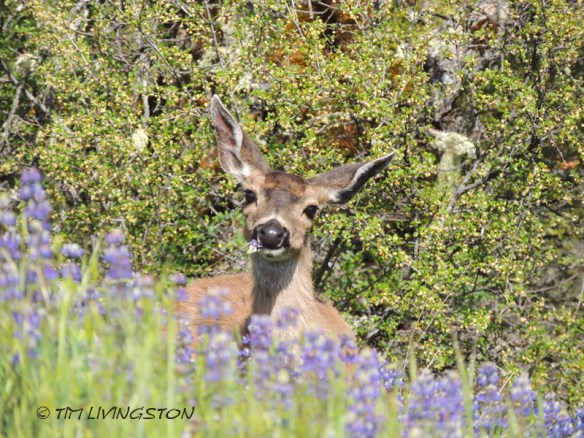
doe, deer, lupine, wildflowers, spring, photography, wildlife Munched by young deer everyone! When will we ever learn.

lupine, wildflowers, spring, photography Lovely Lupine

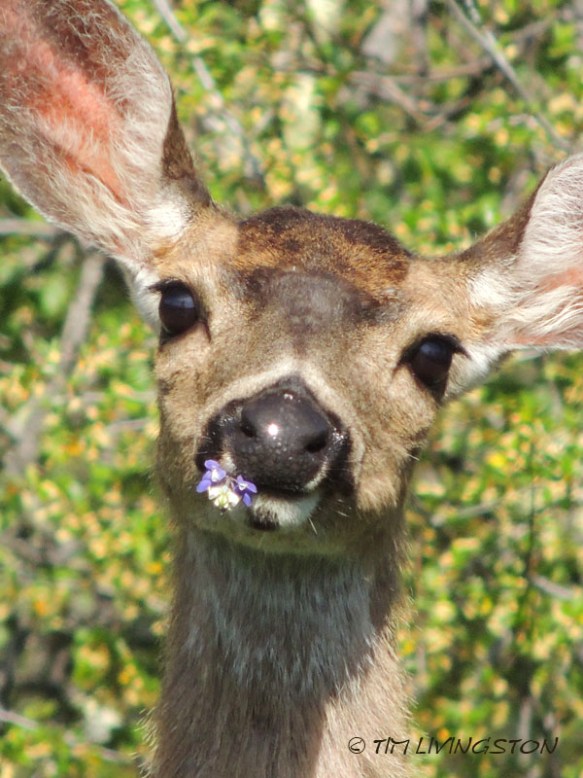
doe, deer, lupine, wildflowers, spring, photography, wildlife Mmmm……nice bouquet!

View original post

The Fork in the Road

fork in the road

“When you come to the fork in the road, take it.”  Yogi Berra

“When you come to the fork in the road, take it.”  Yogi Berra

“Then eat spaghetti!”  Tim Livingston

I really did come across that fork in the road.

Forestry Friday … Sacbee Op Ed

I just saw this op-ed from the opinion section of the Sacramento Bee. Once I finished banging my head against the wall, I decided it would make a good post. I don’t disagree with most of what is said here. In fact I’m heartened that this originated from the Lahotan Water Quality Control Board, one of the strictest WQCBs in the state. The problem has been that forestry professionals have been pushing solutions like this for decades and the WQCB has been one of the most resistant agencies regarding timber operations.

So many agencies including the United States Forest Service have been stuck in the purgatory of “analysis paralysis.” for so long that the problem of overgrown forest has grown into a crisis. Plus, environmental groups seeking to shut down all harvesting projects have piled on. Our California forests continued to increase in density until another drought comes along, as is prone to happen here. The forests become stressed. Beetle population spike and huge swaths of forest are killed. Wildfires during red flag conditions become unstoppable. The impacts of these fires are exponentially worse than the impacts of the forestry projects that could be creating healthy, fire resistant forests.

It’s good to see acceptance of a possible solution voiced in this article, but the damage is done. We closing the barn door after the horse got out. I wish we could have had this support twenty years ago before 102 million trees died. If the USFS follows its usual pattern of not aggressively salvaging dead and dying timber, only a fraction of a percent of the dead trees will be harvested. They will rot on the stump waiting for the next big fire. These trees are the property of the citizens of the United States. What a waste.


http://www.sacbee.com/opinion/op-ed/soapbox/article117610153.html