Forestry Friday … Resilience of Nature

golden retriever, logs, log deck, Blitz

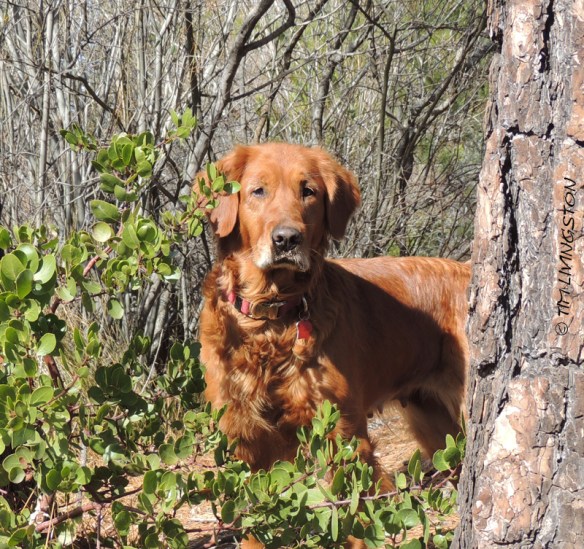
Blitz in the shade of the Pole Plant log deck.

Nature is fragile or is it? Humans certainly have the ability to wreak havoc on our environment, but given time, it heals. I’m not suggesting careless disregard. I believe it’s our responsibility to be the best stewards of our natural world that we can be. The ospreys don’t mess in their nest and neither should we. My experience as a forester over the years has taught me that Mother Nature is a relentless and tough lady. In the natural environment, disturbance often equals opportunity.

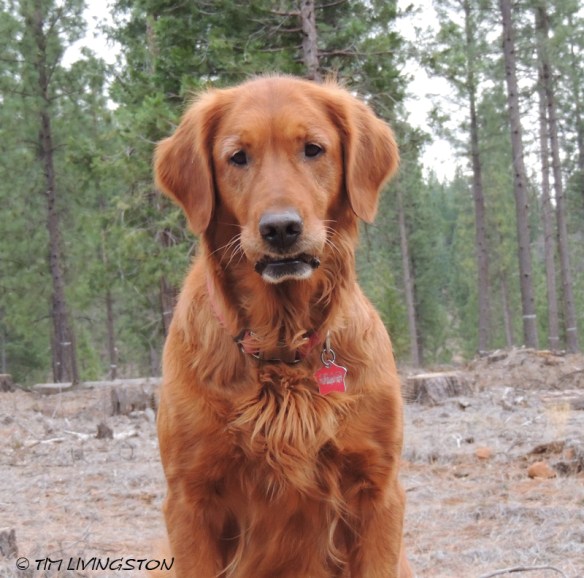
In the top picture of Blitz lying next to the pole log deck, it is treeless except for the stacks of logs waiting their turn in the mill. Now look at the picture below. Blitz is sitting in a lovely pine forest. This place was a log deck too, forty-seven years ago. It wasn’t replanted by people. The surrounding forest took it back. The pines invaded this site with no help at all. I was six years old when this process took hold. Now a pine forest stands where a log deck once sat.

Forest, growth, golden retriever, log deck

This was the site of the Little Giant Mill log deck.

Today, by replanting and with proper nurturing, we replenish harvest units and the burned areas much faster than just letting nature take its course. We have a better scientific understanding of our environment and more sophisticated technology available today to manage our forests. We’ve come a long way in forest management over the last one hundred years. Trees weren’t replanted back then, but forests have grown back. Our sustainable forestry practices today are resulting in forests that are more healthy and vigorous.  I’d love to see these forests a hundred years from now.

Forestry Friday … The Ride Along

Forestry, mentoring, education

The truck is fueled and ready. Do you want to go for a ride along?

Ralph was a state forester. He’s retired now, but he’s been a friend throughout my career. He gave me my first ride along.

When I met Ralph, I was a firefighter in the summer and attending community college.  I declared my Forestry Major and was preparing to transfer to Humboldt State University. I had not taken any forestry classes yet. That would start the next year. I didn’t have much forestry work experience. I knew Ralph from my job at the fire station. I asked if I could ride along with him for a day. He gladly took me up on it. I learned a lot from Ralph.

Forestry, mentoring, education

Jaime spent the day exploring a little West Coast forestry.

The other day I took a young woman, named Jaime, for a ride along. She’s contemplating her next career move. She is a cousin of a close friend.

The night before, Mary and I visited with our friends, Jaime, and her father. We had a wonderful conversation.  Jaime recently completed her Bachelor degree at Warren Wilson College in North Carolina. Now she was considering going for an environmental law degree. Mary and I were both thinking, She needs to go for a ride along. When offered, she leaped at the chance.

The next day we started out with an introduction to our company’s head research scientist, CJ. These two women hit it off famously. After an insightful conversation about environmental science, careers and education, we headed out to the mill.

We toured the mill complex where Jaime started out watching the pole plant processing logs. Next, we went through the sawmill. She asked a ton of questions about the process and took a few pictures to send to her friends back in North Carolina. After the mill tour it was back to the truck.

Forestry, mentoring, education

She saw some modern logging technology in this tree shear.

We headed out to look at the timberlands. Our conversation centered on forestry practices, land management and environmental issues.  We started near Shingletown, looking at forestry practices, and ended the day at the Ponderosa Burn, talking about fire restoration.

Forestry, mentoring, education

Valley Quail in the Ponderosa Burn.

Now, if I sound like the wise professional bestowing my vast knowledge from on high, let me correct that right now. This education process is a two way street. Our conversations weren’t all about forestry. I learned about all manner of issues important to her generation. We both had a fun and instructive day.

Forestry, mentoring, education

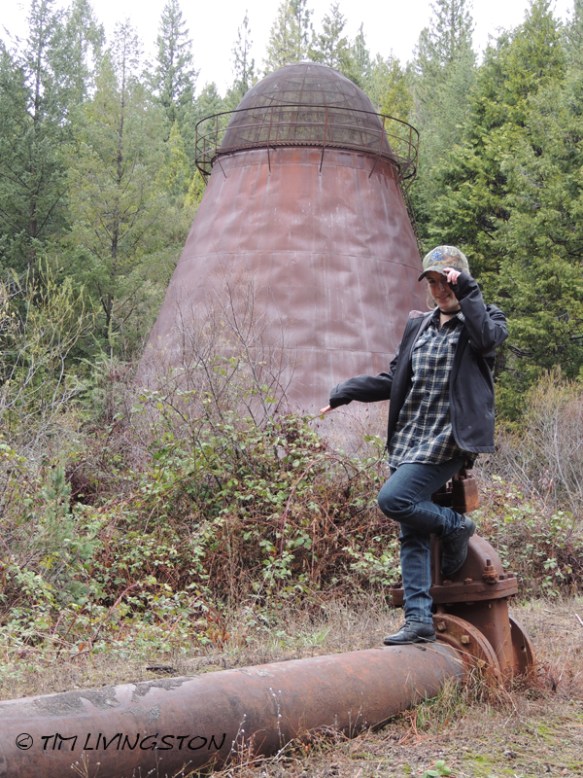
Channeling her inner Vanna White, Jaime shows off some old time milling technology in this teepee burner.

Making time for young people to go for a ride along or job shadow for a day is time well spent. A day job shadowing does something for them that a semester of school doesn’t do.  It gives them a big picture of the profession. As professionals we benefit from this time too. We’re never too old to learn and they too have a lot to share.

Forestry, mentoring, education

Jaime’s career is a like this little pine tree, just starting out.

Blitz, golden retriever

Blitz likes a good ride along, but don’t take her seat!

Forestry Friday … Masticator

What’s a masticator? Think of it as a big mobile wood chipper, or a mower on steroids. You may have seen these machines grinding up brush on the side of the road. They’re also used in forestry applications.

I came across a brush clearing operation on the neighbor’s property. Our neighbors happen to be a large government agency. They were shut down because a much needed rain storm made the woods too wet for operating. They were thinning a thirty plus year old Ponderosa pine plantation and removing competing brush with masticators. The thinned trees weren’t big enough to harvest for sawlogs. Masticating an area is expensive, but it makes the plantation more fire resistant and spaces out the residual trees for better growth.

Farther down the road, they used masticators to create a fuelbreak. This provides a break in heavy fuels giving firefighters a defensible line to make a stand against an oncoming wildfire. Shredded and crushed wood from the masticated brush is left on the ground. This woody debris still burns, but the flame lengths and rate of spread of a fire are reduced, thus making it manageable for a fire crew. It’s also a location that a fire crew can use for backfire operations. Over time, this material will decompose, further lessening the fire risk.

The current fuelbreak was originally cleared as a firebreak during the Finley Fire in 1990. A fuelbreak is a change from a heavy fuel type, such as brush, to a lighter fuel type like grass. A firebreak is the removal of all fuel down to bare dirt.  After the fire, we replanted our section of the same fireline in 1992. Our trees are now twenty-two years old. As these trees grow larger, they’ll be developed into a shaded fuelbreak. A shaded fuelbreak utilizes the shade of trees to suppress the growth of underbrush. This keeps fuels on the forest floor light. Pruning trees creates a break in the vertical fuel ladder reducing the chance that a ground fire becomes a crown fire.

The neighbors didn’t replant trees in the firebreak immediately after the fire. While our section of the fireline grew trees, their section grew brush. Our stand of trees is twenty years along the process of becoming a shaded fuelbreak. The neighbors must continue to retreat the brush to maintain their section of the fuelbreak.

Forestry is a process with a long planning horizon. I commend the neighbors for creating the fuelbreak. This treatment also benefits our property. However, by making the investment in planting trees early, we saved money on brush removal, while accelerating forest restoration at this site.

Click on the image for a larger view.

Forestry Friday … The Critical Period

Critical Period means the time of year when the special timber operations practices set forth in these regulations are required to minimize nesting disturbance to a species of special concern.

-California Forest Practice Rules

Forestry, Northern Goshawk, goshawk, protection

This Northern Goshawk fledgling was ready to take me on.

Species of Special Concern include Bald Eagle, Golden Eagle, Great Blue Heron, Great Egret, Northern Goshawk, Osprey, and Peregrine Falcon.  Species of Special Concern are not the same as Threatened and Endangered Species.  T and E species rise to a much higher standard of protection.  They are protected under rules originating from the Endangered Species Act.  

When a nest site of a Species of Special Concern is identified in a timber harvest plan area, a buffer zone is established around it.  The buffer zone sizes differ according to the species.  The critical period is based on the nesting season for that particular species of bird.  No timber harvesting is allowed within the buffer zone during the critical period.   After the critical period, harvesting can take place, but the nest trees are always retained.  There are limitations as to the type of harvesting that can take place in the buffer zone, such as no clearcutting is allowed.  The harvesting practices allowed in the buffer zones are tailored to each species. depending on their needs.

The Northern Goshawk fledgling in the picture was discovered after my crew and I stumbled onto a nest tree.  We were marking trees when one of the guys came and informed me he saw a “great big bird in a nest.”  When we went to investigate, I could see right away it was a Northern Goshawk fledgling, and there wasn’t one, there were two. 

The young birds were branching.  This is when they hop from branch to branch strengthening their wings before they have mastered flight.  We stopped marking and began moving away from the nest.  One of the Goshawk parents was nearby but moved away from us.  This was a relief because Goshawk parents are well known for attacking people that are too close to their nest.  This usually happens when the chicks are very young.  Apparently, they are less protective when the chicks are older.  We watched the young birds from what we thought was a safe distance, so as not to spook them.  Then, one of the youngsters glided out of the nest to a branch in a nearby tree.  Its sibling, not wanting to be left alone, followed.  Only this bird wasn’t as advanced in its flight training as the first.  It glided downhill and smacked straight into the trunk of a white fir tree and tumbled to the ground.  I told the crew, “Oh my God, I think we just killed it.”  Fortunately, it popped up on its feet, screeching all the while.  

I sent the crew to mark timber in a different area.  Then, with my camera in hand, I headed down the hill to check the condition of the young Goshawk.  It was mad as hell and ready to give me what for. Otherwise it was okay.  I took a few pictures and backed off to let it calm down.  I knew, at this age, it would be able to hop its way back up the trees to safety.   The parents weren’t far away and would tend to it.

For the Northern Goshawk the buffer zone is twenty acres and the critical period is from March 15 through August 15.  The forester who prepared the timber harvest plan knew the Goshawks were living in the plan area.  He protected their nest tree, by making it a no harvest area.  However, the uncooperative goshawks had decided to move out of a perfectly good nest and build a new one in the logging unit.  We were the first to discover the new nest.  As a result, a new twenty acre buffer zone was established around this nest and none of the trees we marked in the area were harvested. 

osprey, sawmill, forestry

This Osprey was behind the sawmill last week. It might be our boy from the nest tower.

The buffer zone for the Osprey is 5 acres and the critical period is from March 15 through August 15. 

Bald Eagle

Bald Eagle

golden eagle, eagle, photography, nature, wildlife

Golden Eagle

If harvesting is done with a helicopter, they can operate no closer than one quarter mile of the nest tree.  This is true for Bald Eagle, Golden Eagle, Northern Goshawk and Osprey.  Peregrine Falcon get a one half mile buffer.

The Great Blue Heron, also known as "The Fly Up The Creek".

Great Blue Heron

The herons and egrets have a 300′ buffer around nest trees.  Their critical period goes from February 15 through July 1.

Golden retriever, Blitz, pheasants

Blitz says, her critical period is pheasant season.

Forestry Friday … Of Trees and Dogs

When I was a reforestation forester, the district I worked on had about 2,600 acres burn in the Gun II Fire. The fire burned over 60,000 acres in total. It was my responsibility to implement the reforestation on our 2,600 acres.

Tree planting, wildfire, fire restoration

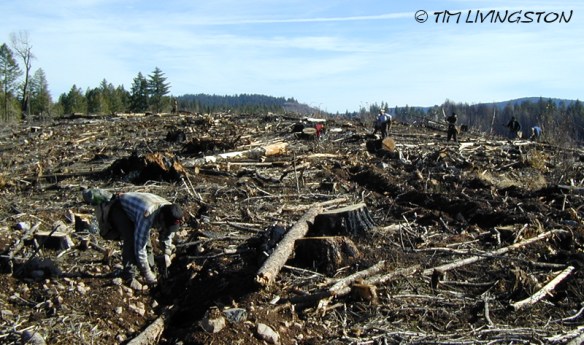
Planting trees in the Gun II Burn.

As an artist, I paint on a small canvas. As a forester, I paint on a big one. After a large wildfire, the landscape canvas can be huge. Reforestation on this scale is a lot of work.  It’s very gratifying knowing I had a hand in starting this new forest. Each year when I return, the trees are a little bigger. I picked up and carried every box of trees, hundreds of thousands of trees.

Below are four photo point pictures showing how this canvas has changed over time. I had a few of my friends help demonstrate how big the trees have grown over the last 12 years. It’s a running joke around here, that you must have a dog if you’re a forester.

Fire restoration, forestry, seedlings, golden retrievers

May 5, 2001  Immediately after planting.  Hunter and Blaze pose for me.

Fire restoration, forestry, seedlings, golden retrievers

February 19, 2006   That’s Hunter and Blaze peeking through the trees.

Fire restoration, forestry, seedlings, golden retrievers

July 7, 2010  The trees have been thinned.  Blitz and Hawk pose.

Fire restoration, forestry, seedlings, golden retrievers

October 23, 2013  The trees are over twenty feet tall.  Now it’s just Blitz.

A farmer grows his crop over the course of a year, but our crop takes decades.  Counting each year that passes is an occupational reality of being a forester. Seeing my dogs in these pictures also reminds me of time marching on.  Now, there are new generations of both dogs and trees. To me, their lives are intertwined with the forest. This forest is full of our stories.

Forestry Friday … Forestry Quiz Answer

Now this doesn’t replace your regularly scheduled Forestry Friday.  However, it’s time to answer last weeks Forestry Quiz Question.

forestry, ponderosa pine, forestry research

Ponderosa pine seedlings in a growth study.
The question was….

You nail a red tag on a Lodgepole pine tree at DBH.  DBH stands for Diameter at Breast Height, which is 4 1/2 feet about the ground as measured on the high side of the base or the tree.  The tree is growing in height at 2 1/2 feet per year.  In 10 years how high will the tag be above the ground?

Answer, 4 1/2 feet.  Trees grow from the top up.  New shoots emerge at the ends of the twigs.  On the other hand, grass does grow from the bottom up.  Most of you got it right and a few brave souls who weren’t sure, guessed!  No guts, no glory.  Way to go everyone, I’m impressed.  I’ll have to give you a harder question next time.  Let’s see what Blitz thinks.

forestry friday, friday, golden retriever

It seems Blitz is not impressed.  😦

Forestry Friday … Forestry Quiz Question

Lodgepole pine, forestry

A lodgepole pine reaches for the sunshine, as we all should.

This week, Forestry Friday is a forestry quiz question. The question is about tree growth.  This question appeared on the California Professional Foresters Exam about thirty years ago.   Any junior forester or forestry student who missed this question probably failed the test and was definitely teased for it.  In California, foresters are required to pass this test in order to become a Registered Professional Forester (RPF).  It is illegal to practice forestry in the State without a license.  Now to test your forestry knowledge.

You nail a red tag on a Lodgepole pine tree at DBH.  DBH stands for Diameter at Breast Height, which is 4 1/2 feet about the ground as measured on the high side of the base or the tree.  The tree is growing in height at 2 1/2 feet per year.  In 10 years how high will the tag be above the ground?

I look forward to reading your answers Junior Foresters.  I will reveal the correct answer next week on the Forestry Friday post.

golden retriever, forestry

Blitz answers “who cares!  How high to the first stick is the real question.”

2014 Sierra Cascade Logging Conference Education Day

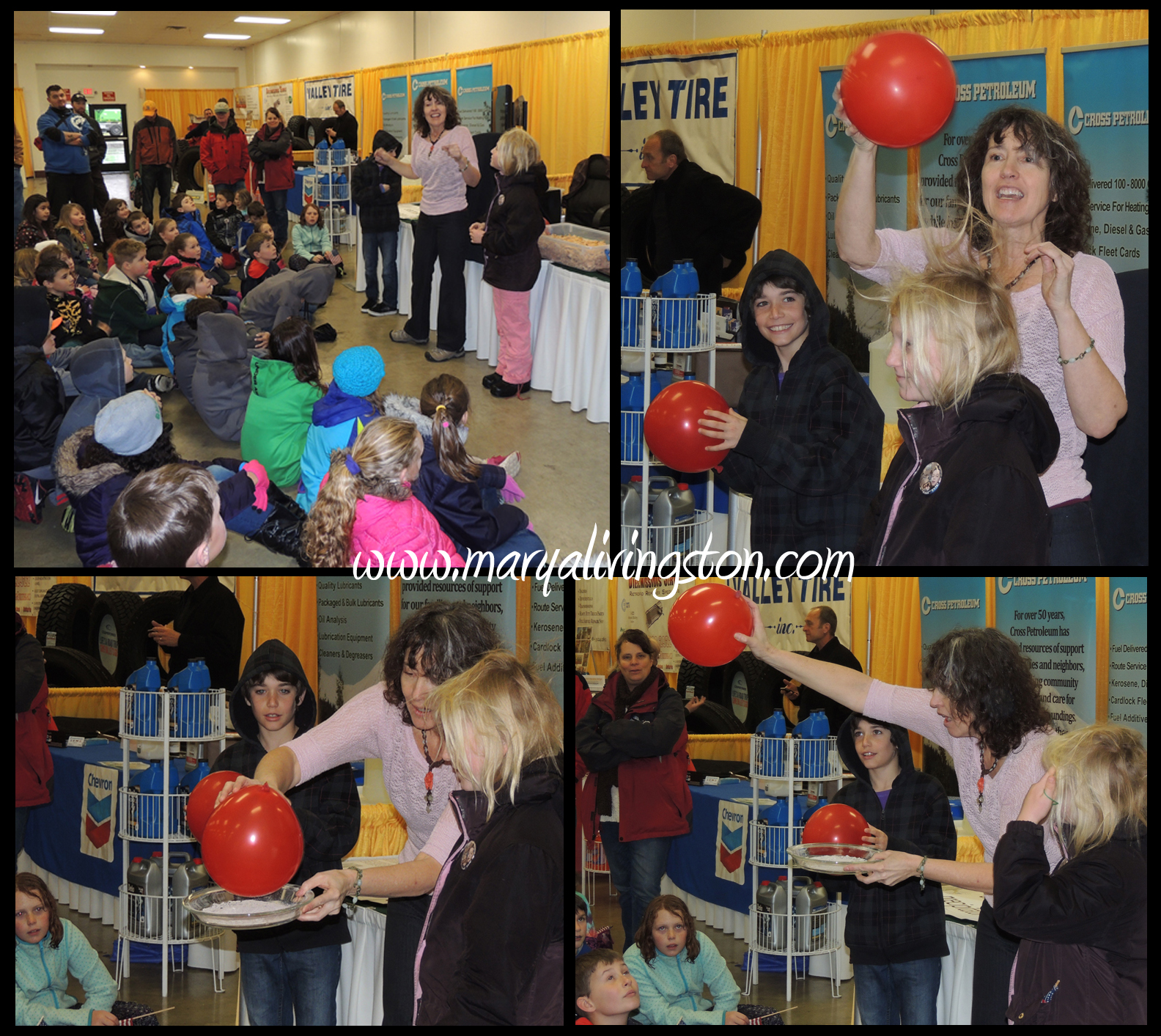
Mary had her hands full with bunch of happy kids. We know what makes kids happy …FIELD TRIPS!

MaryALivingston's avatarMaryALivingston

What a great time! Awesome kids really make for a great presentation. Last week I presented to over 350 third to sixth grade students on what an Electrostatic Precipitator is and what it does. After two hours of talking to seven different groups, 15 minutes at a time, my voice was shot but my spirits high. This year’s students really engaged and participated making it memorable for all. Photos courtesy of Tim Livingston, The Forester Artist. Thank you!

Many brave girls stepped up to assist collecting a static charge. Many brave girls stepped up to assist collecting a static charge.

Student volunteers help demonstrate static electricity. Student volunteers help demonstrate static electricity.

Dark balloons show the dust best. Dark balloons show the dust best.

Students are surprised by the attractive properties of static electricity. Students are surprised by the attractive properties of static electricity.

View original post

Forestry Friday … Sierra Cascade Logging Conference

It’s time, once again for the Sierra Cascade Logging Conference here in Anderson, California. It is an opportunity loggers, foresters, equipment sales folks, school kids, teachers and the public to all come together.  It’s like going to the county fair where you can bump into friends that you haven’t seen since last year.

co-generation, electricity, electrostatic precipitater, Sierra Cascade Logging Conference

Mary, of Sneaking Bliss, teacher the kids how an electrostatic precipitator cleans the smoke from a wood fired co-generation plant.

Today was the first day of the conference and also Education Day.  Over 700 4th and 5th graders tour the exhibits and learn about forestry and the timber industry.  Each year Mary teaches a science lesson related to one of our picture books and the kids love it.

feller buncher, logging equipment

There is a lot of big equipment like this feller buncher.

logging conference, Sierra Cascade Logging Conference

Plenty of little equipment too.

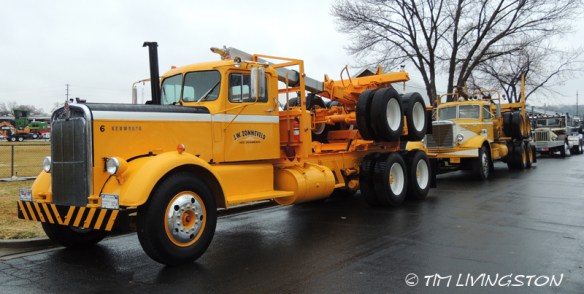
vintage log truck

There was even quite a bit of old equipment all shined up.

Chainsaw art, chainsaw carving

Who doesn’t love a chainsaw carved bear?

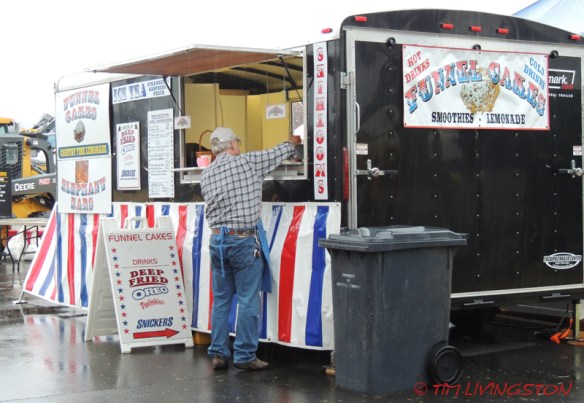
funnel cakes

Not to mention funnel cakes!

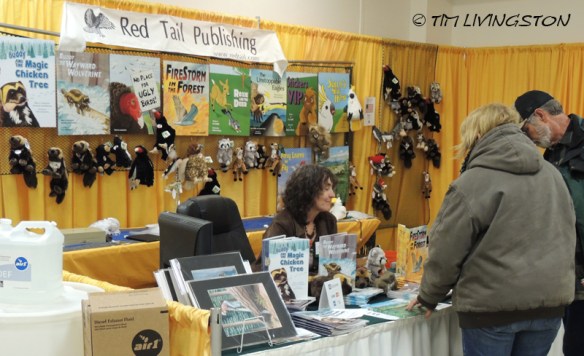
Red Tail Publishing

Mary visits with customers at the Red Tail Publishing booth.

Forestry Friday … Drought!

Lassen Peak, Mt Lassen, drought, forestry

I took this picture of Lassen Peak on January 8th, 2013.

In California we’re in another severe drought.   I took these two pictures of Lassen Peak in January, one this year and the other last year.   You can see the stark difference.  Lassen Peak is the southerly most of the major cascade volcanoes and is 10,463 feet (3,189 M) tall.  Last year we had over 20 inches of rain at this time, and this year we have less than 4 inches.  The snow pack is almost nonexistent.  Cattle ranchers are having a hard time.  There’s no new grass and the foothills are as brown as July.  The price of hay is going to go through the roof forcing many of the ranchers to sell off their cattle.  Our ski resorts are having a terrible winter due to the lack of snow. It’ll be a tough year for these folks and the long term forecast is grim.  Expect the California water war to once again rear it’s ugly head.

Lassen Peak, Mt Lassen, drought

Lassen Peak taken on January 22nd, 2014.

This summer we are expecting our share of challenges in the woods.  Drought stress will cause tree die off.  This will create prime conditions for bark beetle infestation as the trees become more and more stressed.  Worst of all will be the fire danger.  I think red flag fire warnings will be the theme of the this summer.

Blitz, golden retriever

Blitz rolls in the snow while she still can.