Forestry Friday … Forestry Quiz Answer

Now this doesn’t replace your regularly scheduled Forestry Friday.  However, it’s time to answer last weeks Forestry Quiz Question.

forestry, ponderosa pine, forestry research

Ponderosa pine seedlings in a growth study.

The question was….

You nail a red tag on a Lodgepole pine tree at DBH.  DBH stands for Diameter at Breast Height, which is 4 1/2 feet about the ground as measured on the high side of the base or the tree.  The tree is growing in height at 2 1/2 feet per year.  In 10 years how high will the tag be above the ground?

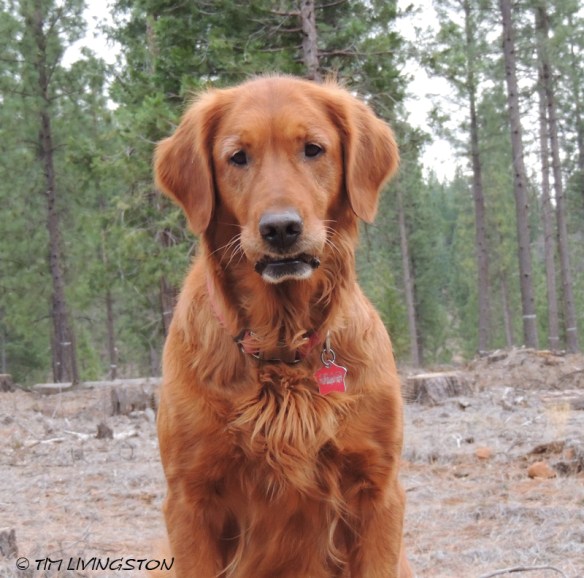
Answer, 4 1/2 feet.  Trees grow from the top up.  New shoots emerge at the ends of the twigs.  On the other hand, grass does grow from the bottom up.  Most of you got it right and a few brave souls who weren’t sure, guessed!  No guts, no glory.  Way to go everyone, I’m impressed.  I’ll have to give you a harder question next time.  Let’s see what Blitz thinks.

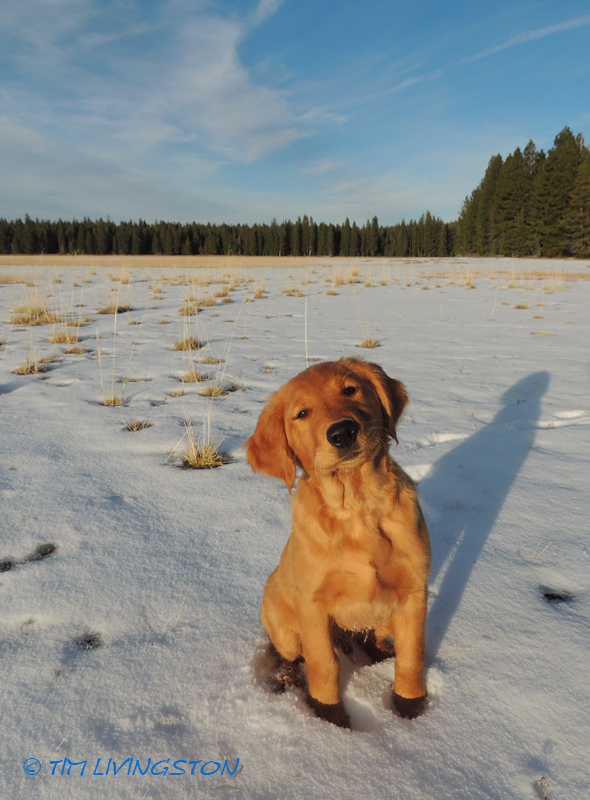
forestry friday, friday, golden retriever

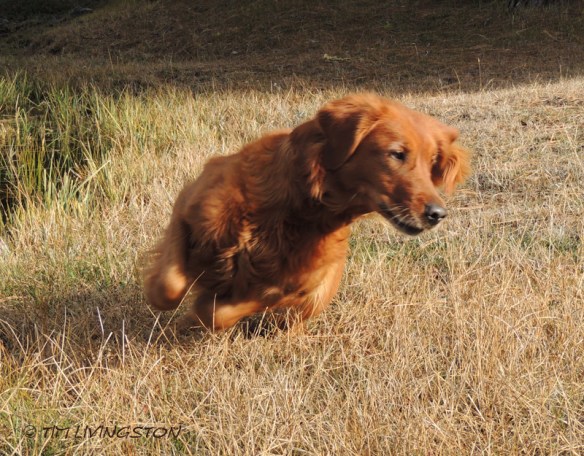
It seems Blitz is not impressed.  😦

Forestry Friday … Forestry Quiz Question

Lodgepole pine, forestry

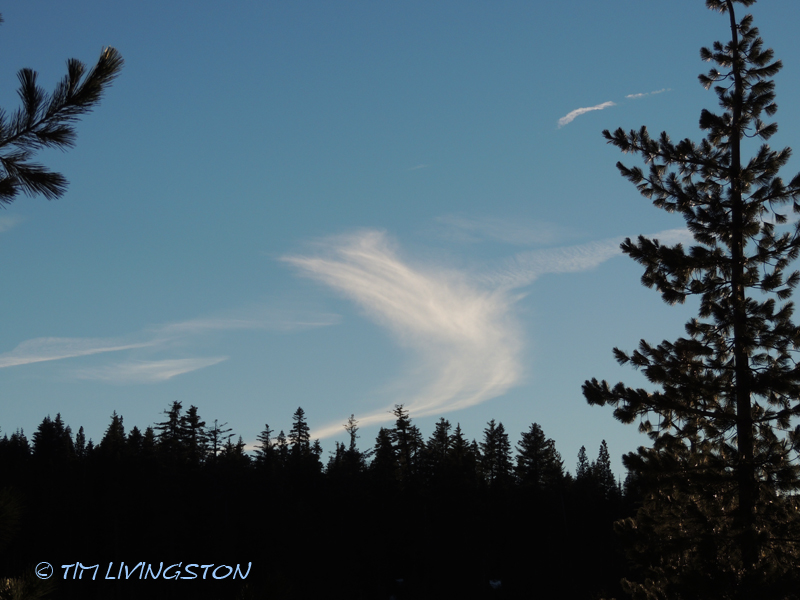
A lodgepole pine reaches for the sunshine, as we all should.

This week, Forestry Friday is a forestry quiz question. The question is about tree growth.  This question appeared on the California Professional Foresters Exam about thirty years ago.   Any junior forester or forestry student who missed this question probably failed the test and was definitely teased for it.  In California, foresters are required to pass this test in order to become a Registered Professional Forester (RPF).  It is illegal to practice forestry in the State without a license.  Now to test your forestry knowledge.

You nail a red tag on a Lodgepole pine tree at DBH.  DBH stands for Diameter at Breast Height, which is 4 1/2 feet about the ground as measured on the high side of the base or the tree.  The tree is growing in height at 2 1/2 feet per year.  In 10 years how high will the tag be above the ground?

I look forward to reading your answers Junior Foresters.  I will reveal the correct answer next week on the Forestry Friday post.

golden retriever, forestry

Blitz answers “who cares!  How high to the first stick is the real question.”

2014 Sierra Cascade Logging Conference Education Day

Mary had her hands full with bunch of happy kids. We know what makes kids happy …FIELD TRIPS!

MaryALivingston's avatarMaryALivingston

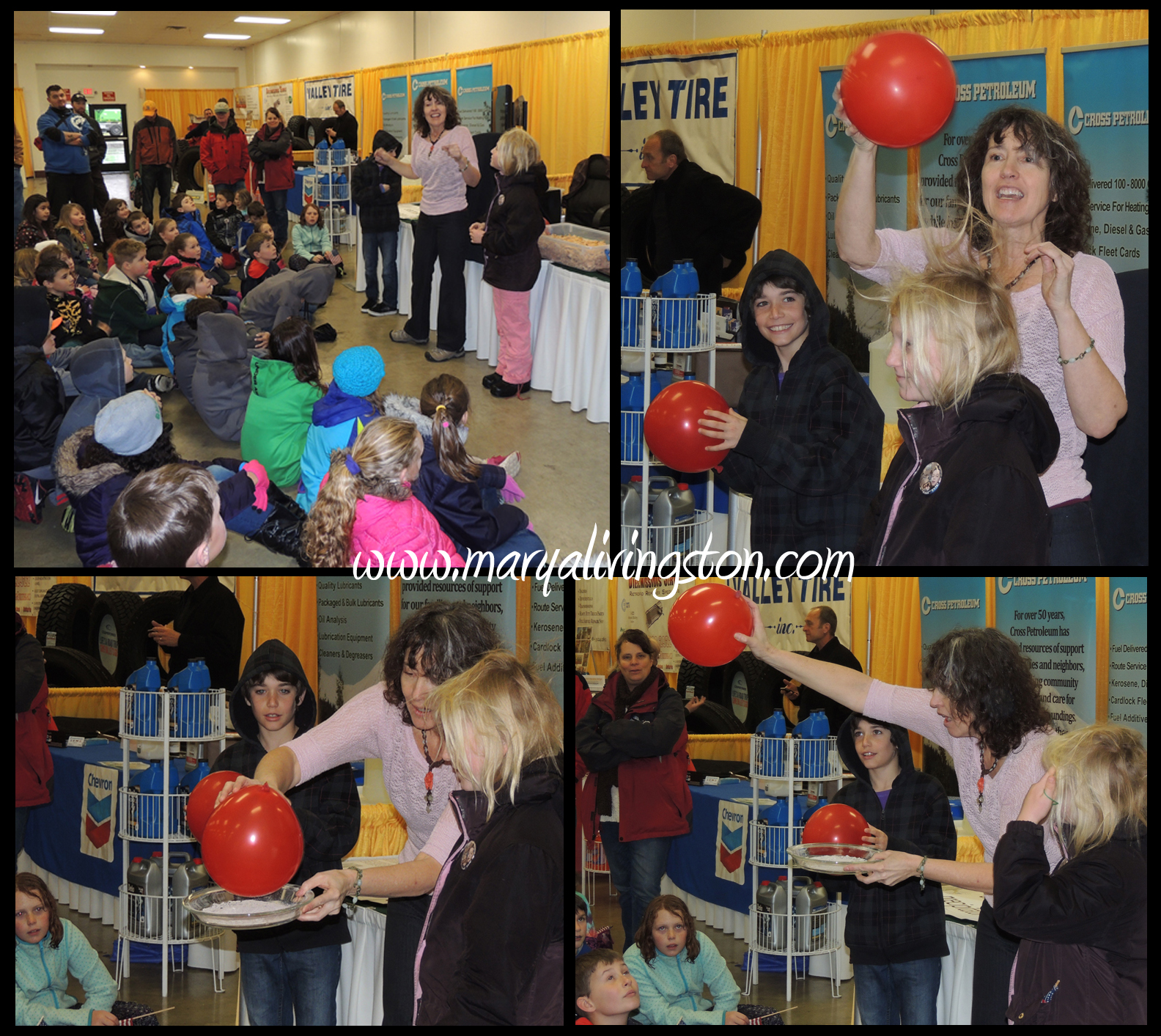
What a great time! Awesome kids really make for a great presentation. Last week I presented to over 350 third to sixth grade students on what an Electrostatic Precipitator is and what it does. After two hours of talking to seven different groups, 15 minutes at a time, my voice was shot but my spirits high. This year’s students really engaged and participated making it memorable for all. Photos courtesy of Tim Livingston, The Forester Artist. Thank you!

Many brave girls stepped up to assist collecting a static charge. Many brave girls stepped up to assist collecting a static charge.

Student volunteers help demonstrate static electricity. Student volunteers help demonstrate static electricity.

Dark balloons show the dust best. Dark balloons show the dust best.

Students are surprised by the attractive properties of static electricity. Students are surprised by the attractive properties of static electricity.

View original post

Forestry Friday … Sierra Cascade Logging Conference

It’s time, once again for the Sierra Cascade Logging Conference here in Anderson, California. It is an opportunity loggers, foresters, equipment sales folks, school kids, teachers and the public to all come together.  It’s like going to the county fair where you can bump into friends that you haven’t seen since last year.

co-generation, electricity, electrostatic precipitater, Sierra Cascade Logging Conference

Mary, of Sneaking Bliss, teacher the kids how an electrostatic precipitator cleans the smoke from a wood fired co-generation plant.

Today was the first day of the conference and also Education Day.  Over 700 4th and 5th graders tour the exhibits and learn about forestry and the timber industry.  Each year Mary teaches a science lesson related to one of our picture books and the kids love it.

feller buncher, logging equipment

There is a lot of big equipment like this feller buncher.

logging conference, Sierra Cascade Logging Conference

Plenty of little equipment too.

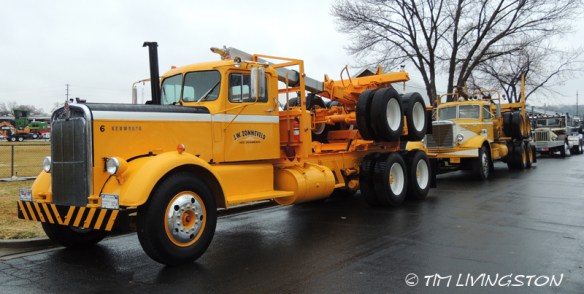
vintage log truck

There was even quite a bit of old equipment all shined up.

Chainsaw art, chainsaw carving

Who doesn’t love a chainsaw carved bear?

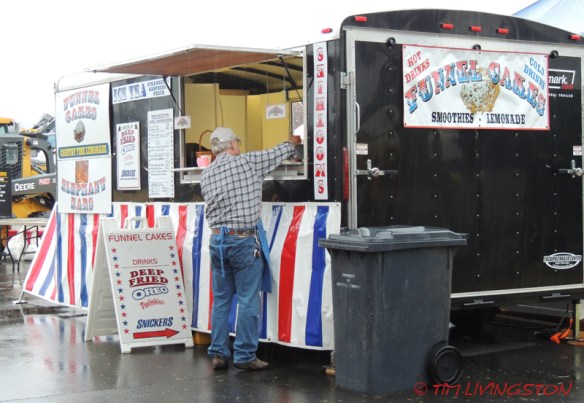
funnel cakes

Not to mention funnel cakes!

Red Tail Publishing

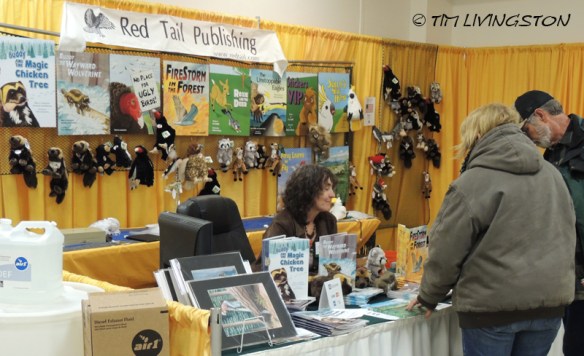
Mary visits with customers at the Red Tail Publishing booth.

Forestry Friday … Drought!

Lassen Peak, Mt Lassen, drought, forestry

I took this picture of Lassen Peak on January 8th, 2013.

In California we’re in another severe drought.   I took these two pictures of Lassen Peak in January, one this year and the other last year.   You can see the stark difference.  Lassen Peak is the southerly most of the major cascade volcanoes and is 10,463 feet (3,189 M) tall.  Last year we had over 20 inches of rain at this time, and this year we have less than 4 inches.  The snow pack is almost nonexistent.  Cattle ranchers are having a hard time.  There’s no new grass and the foothills are as brown as July.  The price of hay is going to go through the roof forcing many of the ranchers to sell off their cattle.  Our ski resorts are having a terrible winter due to the lack of snow. It’ll be a tough year for these folks and the long term forecast is grim.  Expect the California water war to once again rear it’s ugly head.

Lassen Peak, Mt Lassen, drought

Lassen Peak taken on January 22nd, 2014.

This summer we are expecting our share of challenges in the woods.  Drought stress will cause tree die off.  This will create prime conditions for bark beetle infestation as the trees become more and more stressed.  Worst of all will be the fire danger.  I think red flag fire warnings will be the theme of the this summer.

Blitz, golden retriever

Blitz rolls in the snow while she still can.

Forestry Friday … What a difference a Decade Makes

Do you have a favorite spot in the woods that you like to get away to and reconnect with nature?  Somewhere that you’ve camped with your family or just a quiet place to escape the everyday bustle.  The familiarity of that kind of place has a timeless quality about it.  That is part of what makes it happy and comforting.  We want it to always be there and never change.

camping, camp, forest golden retriever

This is where we escape. Blitz gives Mary a snuggle.

As a forester, I work with a changing forest every day.  Some changes come quickly like a timber harvest.   Some come violently as with a wildfire.  Mostly, change comes slowly.  The different seasons transform the forest each year.  This brings about my favorite yearly change, the Spring burst of growth.  The fruits of my labor are on full display, as tree buds elongate and spring forth new needles.  Each year the trees that we planted are a little bigger than before.

forestry, seedlings, growth, forest

Hunter in 2002.

This photo was taken of my old buddy, Hunter, in 2002.  In the background was a newly planted forest.  The trees were harvested from the area directly behind him in 2000 and the seedlings were planted in 2001.  If you look closely, you can see the small pine trees growing.  Lassen Peak is just visible on the horizon in front of Hunter.

forest, forestry, sapling, golden retriever

Blitz, Hunter’s daughter, sits on the same stump in 2014.

Jump ahead to 2014 and Blitz sits on the same stump.  The trees we planted have now grown for twelve seasons.  Many of them are over twenty feet tall.  The view of Lassen Peak is gone.  Blitz was barely able to sit on Hunter’s stump because decay caused it to crumble under her.  The yearly change may seem small, but when viewed over a decade, it’s dramatic.  Expecting the forest not to change is like expecting your child not to grow up.  Forests are dynamic and never static.  Our memories and old photographs may not change, but our forests always will.

Forestry Friday … The Real Buddy

Buddy and the Magic Chicken Tree is the second installment about Buddy the wolverine.  Here is a sample from the upcoming story.  It is written by author illustrator MaryA Livingston and wildlife biologist Amanda Shufelberger.  It is illustrated by me, Tim Livingston.

Buddy and the Magic Chicken Tree, Buddy the Wayward Wolverine, watercolor, watercolour, children's picture book, wolverine, gulo gulo

Buddy loves his chicken!  Image courtesy of Red Tail Publishing.

Buddy, the Wayward Wolverine, published by Red Tail Publishing in 2013, is a fantastical story of a real wolverine.

Buddy is the subject of Forestry Friday, because he was original discovered during forestry research projects.  One carnivore study run by wildlife biologist Amanda Shufelberger inventories carnivores on private forestland.  The data is used to ensure that proper forest management techniques are implemented to protect and enhance carnivore habitat.

Buddy presence was first discovered in 2008.  His DNA places his roots in the Sawtooth Mountains of Idaho.  We can only imagine how Buddy got to California – Buddy, the Wayward Wolverine.  These are some of the videos from the wildlife camera taken as part of the carnivore study.

Forestry Friday … Getting High With Mountain Hemlock

mountain hemlock, tsuga mertensiana, hemlock, forestry, timber

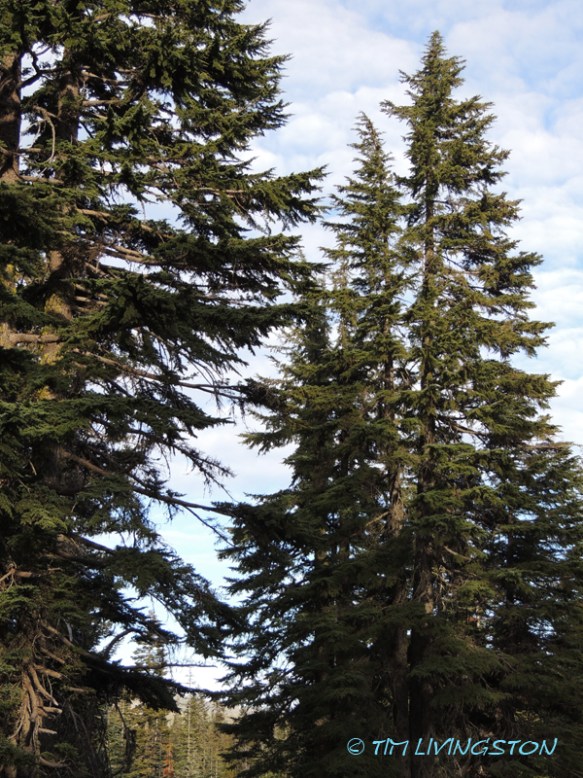
Take the high road to find mountain hemlock.

If you want to find mountain hemlock you have to get high, or should I say, go high.  The mountain hemlock is a high elevation tree of the Sierra and Cascades mountains.  You can find mountain hemlock growing at elevations from 6,000 feet to 11,000 feet in the Sierras of California.

mountain hemlock, tsuga mertensiana, hemlock, forestry, timber

Red fir, lodgepole pine and western white pine are common neighbors of mountain hemlock.

Mountain hemlock grows in a wide band along the Pacific coast.  Its range extends from the Sierra mountains of California in the South to Southern Alaska in the North.  In Alaska it grows in extensive stands down to sea level.   This is common with most trees that have a wide north to south range.  The farther north you go, the lower elevation you grow.

mountain hemlock, tsuga mertensiana, hemlock, forestry, timber, cones

The hemlock cones look a lot like spruce cones.

It is not commonly harvested in California, because it is not common in California’s managed timberlands.   As a result, I don’t run into it very often in my job.

mountain hemlock, tsuga mertensiana, hemlock, forestry, timber

A delicate looking tree living in a harsh place.

Tsuga mertensiana is the scientific name, but let’s really look at this wonderful tree.  Hemlocks have a different personality from the other western conifers and that’s what I enjoy about them.  They have a bit of a fairytale quality.

mountain hemlock, tsuga mertensiana, hemlock, forestry, timber

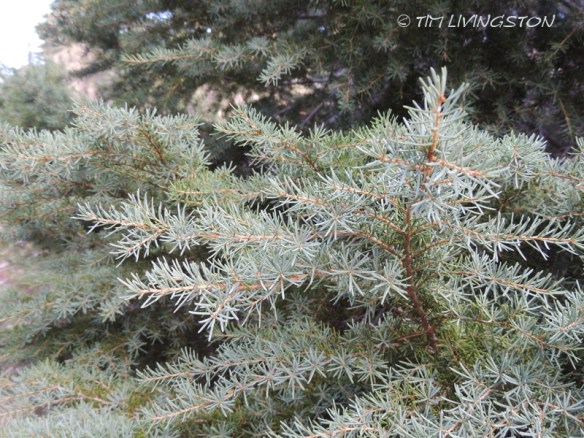
The blue green foliage has a soft appearance and feel.

From its delicate needles to the droopy tips the mountain hemlock has a poetic gestalt, or gesture as artists are so fond of saying.

mountain hemlock, tsuga mertensiana, hemlock, forestry, timber

The tree tops almost have a joyous look about them.

Douglas squirrel

The ubiquitous Douglas squirrel is a common resident up here.

Blitz is back on duty keeping the squirrels in line.  What would I do without her.

Blitz, golden retriever

Blitz giving her best regal pose.  Well done girl!

golden retriever

“Whoa squirrel, gotta go!”

nature photography

After a long day of practicing forestry and chasing squirrels it’s time to head for the barn.

Forestry Friday … Winter Logging

Gallery

This gallery contains 8 photos.

We’re into our Winter logging season now.  In California, logging in the Winter period is much more restrictive than during Summer.  We are limited to operating only in “dry rainless periods” or “hard frozen conditions.”  Right now we have both.  … Continue reading

Forestry Friday … Guilt Free Christmas Tree

Christmas tree, fresh cut

It’s a sign, God’s big paint brush. Christmas trees this way!

Do you love having a fresh-cut Christmas tree?  Better yet, do you love going out to the woods and cutting your own tree?  Do you worry that getting a real tree is damaging the environment?  This is your lucky day, because the Forester Artist is here to absolve you of your sins!

x-mas trees

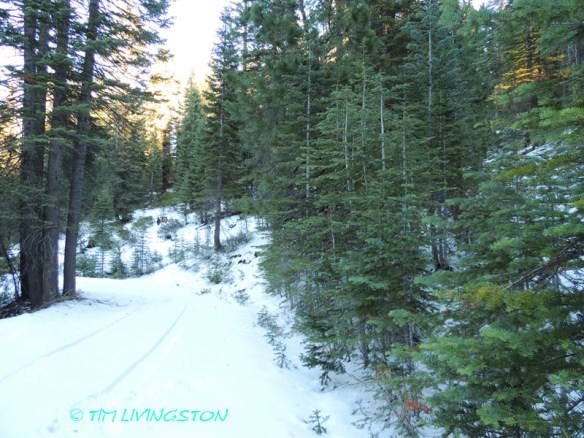
For the best Christmas trees take the road less taken.

Most Christmas trees on the tree lots are grown on Christmas tree farms.  Buy them and they will grow more.  There is no impact to the forest when buying from a Christmas tree farm.

Which on should I cut!  Too many choices.

Which one should I cut.  So many choices!

Many of us like to go directly to the source, the forest.  Is it wrong to cut a Christmas tree in the woods?  Does it damage the environment?  No way!  Get out there and cut that tree!  The reality, in the western United States, is that we actually have too many trees in the forests.  Too many trees…how can that be?
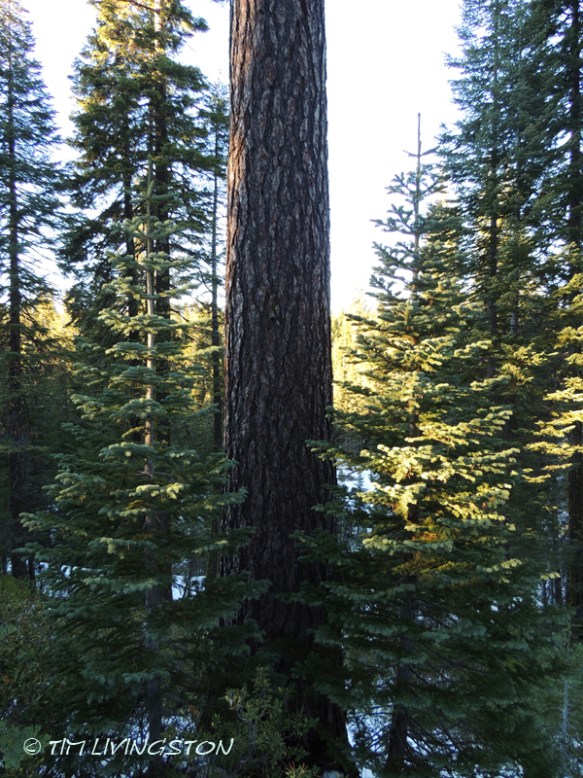
Sugar pine

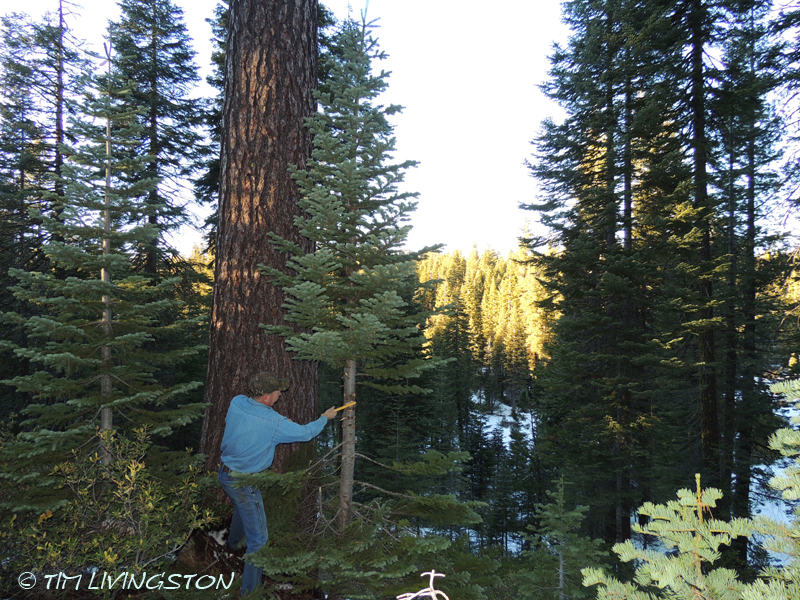
There’s a couple of beauties! No, not the big one in the middle. That is a mature sugar pine tree.

For the last 100 years there has been aggressive wildfire suppression in our western forests.  This has caused our forests to grow quite dense with more trees per acre than can be healthfully grown.  The result is our forests are becoming very susceptible to disease, insect attack and cataclysmic wildfire.  I’ll post more about that later.

Christmas tree, forestry

I’ll take this one. I forgot my saw, so this hatchet will have to do.

When we thin our commercial forest, we typically space our trees from 18′ to 26′ apart depending on their age and size.  That kind of spacing gives you a lot of latitude when picking a tree.  If you are worried about creating a “hole” in the forest, then select one growing close to another tree.  You can also pick a tree next to road in the ditch, since these trees get removed for road maintenance.  The tree I selected is growing so close to the large sugar pine that a timber faller would have to cut it out of his way in order to fall the large tree.  The small tree is a safety issue because it blocks the timber faller’s escape route.
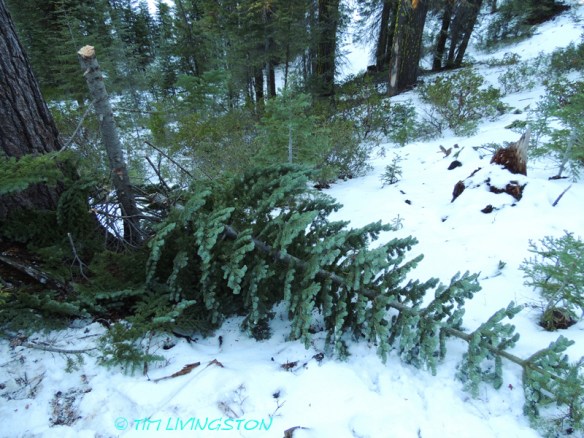
red fir, silver tip, Christmas tree

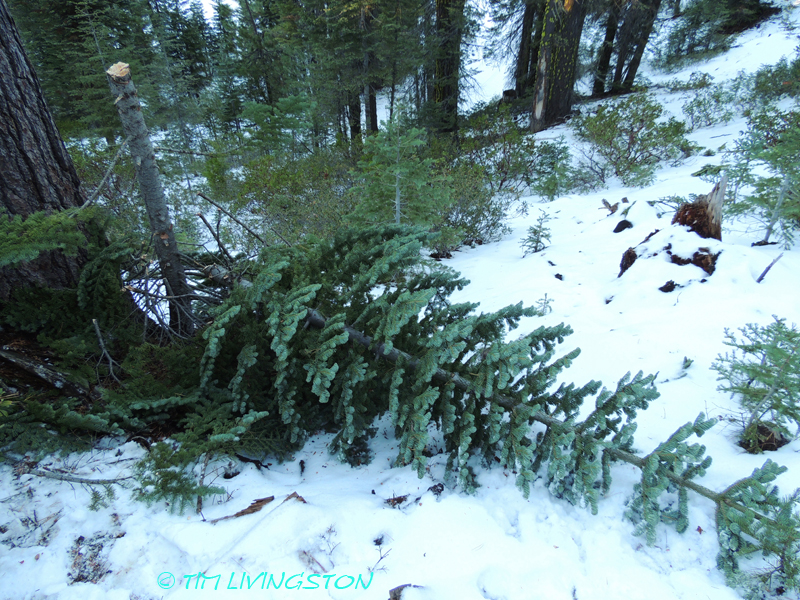
Timber baby! This is a premium silver tip. Silver tips are actually red fir trees.
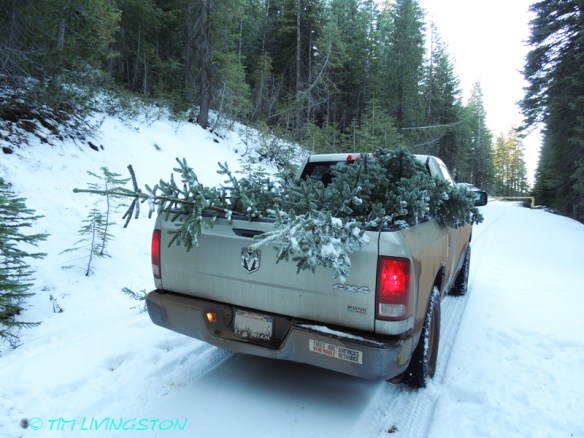
Three nice silver tips loaded up.
Three nice silver tips loaded up.

One of those trees was growing in the ditch next to the road.

One of those trees was growing in the ditch next to the road.

So, if you want to go and cut your own Christmas tree, then go by your local Forest Service office or other local forest headquarters, and get a Christmas tree permit.  Cutting your own is great family fun, but be careful, because it’s easy to get stuck.  It’s always better to take two vehicles.
golden retriever, forest, forestry

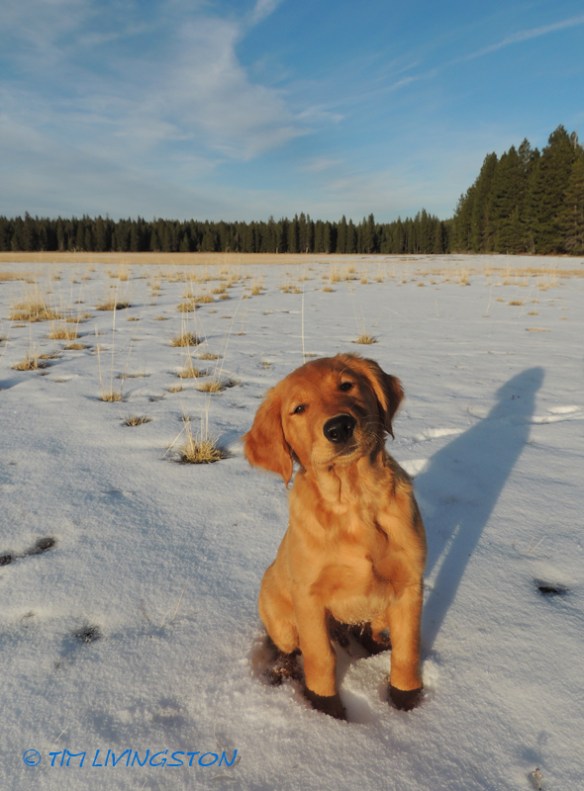
Kinta is the truck dog today, since Blitz had a doctor’s appointment.  Uh oh, it looks like Kinta has been into the eggnog!